The human body contains over 60,000 miles of blood vessels, with arteries being the highways of the circulatory system. They carry oxygenated blood away from the heart to various tissues, ensuring that every cell receives the nutrients it needs. Notably, the aorta, the largest artery, can measure up to 1 inch in diameter and is crucial for sustaining life. Understanding the anatomy and function of arteries is essential in fields such as medicine and biology.
History of Arterial Discovery
The study of arteries dates back to ancient civilizations, but it was William Harvey in 1628 who revolutionized the understanding of blood circulation. Harvey's work demonstrated that blood circulates through a closed system, propelled by the heart. His findings challenged prevailing beliefs about blood movement, paving the way for modern vascular science. Over the centuries, advancements in technology have led to the discovery of various types of arteries, including elastic and muscular arteries, each serving distinct functions in the circulatory process.
Arterial Structure and Function
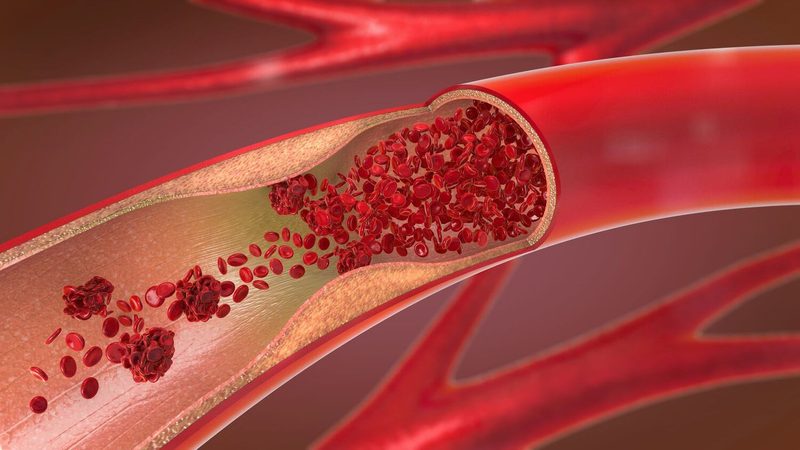
Arteries are composed of three main layers: the tunica intima, tunica media, and tunica externa. The tunica media is particularly important as it contains smooth muscle and elastic fibers that allow arteries to withstand high pressure from the blood pumped by the heart. This structural design enables arteries to expand and contract, regulating blood flow and maintaining blood pressure. The health of arteries is critical, as conditions like atherosclerosis can lead to serious cardiovascular diseases.
Modern Challenges and Innovations
In contemporary medicine, arterial health is a major focus due to rising rates of heart disease. Innovations such as angioplasty and stent placement have transformed treatments for blocked arteries. These procedures can restore blood flow and prevent heart attacks. Additionally, advancements in medical imaging, like ultrasound and CT scans, allow for early detection of arterial diseases. It is crucial to maintain healthy arteries through diet, exercise, and regular check-ups.
Challenge yourself with this quiz to see how well you understand the fascinating world of arteries. From historical figures to modern medical innovations, this quiz covers it all!
 Multiple Choice
No comments yet. Be the first!