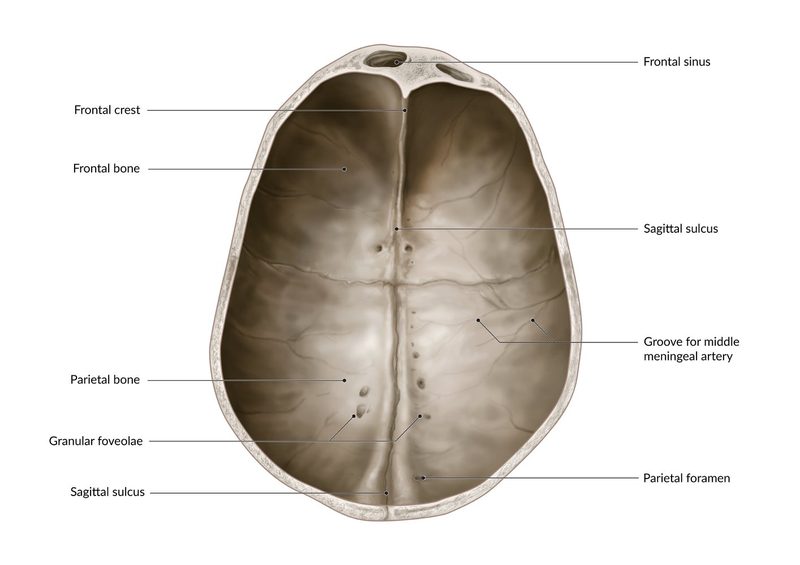
The skull foramina are small openings in the human skull that allow for the passage of various nerves and blood vessels. These foramina are critical for the functioning of the nervous system, supporting the communication between the brain and other parts of the body. Notably, the first detailed study of the human skull was conducted by Andreas Vesalius in the 16th century, which laid the groundwork for modern anatomy.
History of Skull Anatomy
The study of skull anatomy has a rich history, dating back to ancient civilizations such as the Egyptians, who practiced cranial surgery and mummification. In the 1543 publication of De humani corporis fabrica, Vesalius challenged many misconceptions held by previous scholars, significantly advancing anatomical understanding. His meticulous work provided insights into the foramina, detailing their functional significance in the human body.
Types of Skull Foramina
There are numerous foramina in the skull, each serving a distinct purpose. For instance, the optic foramen transmits the optic nerve, crucial for vision, while the jugular foramen allows the passage of the internal jugular vein and several cranial nerves. Understanding these foramina is essential for medical professionals, particularly in neurosurgery and radiology, where precise knowledge of skull anatomy can influence surgical outcomes.
The Clinical Importance of Foramina
In clinical practice, recognizing the significance of skull foramina is vital for diagnosing and treating various conditions. For example, compression or injury to nerves passing through these openings can lead to symptoms like facial pain or loss of sensation. Advanced imaging techniques such as CT scans and MRI have enhanced the ability to visualize these foramina, improving patient care.
Now that you have a better understanding of skull foramina and their importance, challenge yourself with this quiz covering their anatomy, history, and clinical significance. Can you score 10/10?
 Multiple Choice
No comments yet. Be the first!