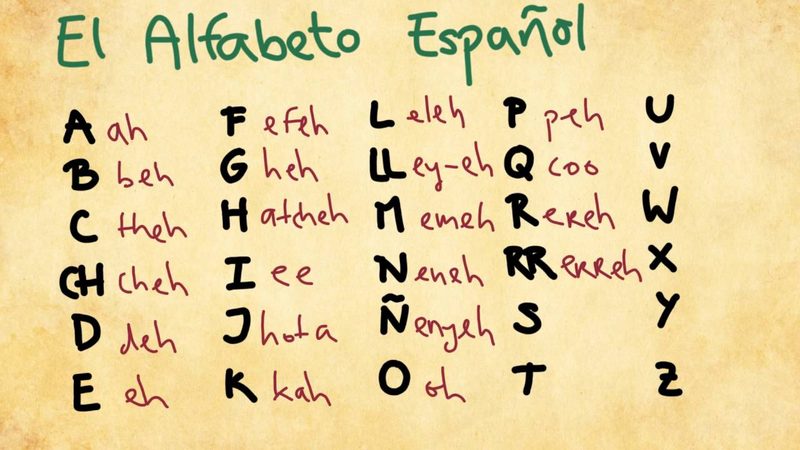
The Spanish alphabet is a unique and essential component of the Spanish language, consisting of 27 letters, including the special character 'ñ'. This alphabet evolved from the Latin script and has been instrumental in shaping the phonetics of the language. Notably, the Spanish alphabet was first standardized in the 18th century, leading to the development of a unified writing system that helped unify Spanish-speaking cultures.
History of the Spanish Alphabet
The history of the Spanish alphabet can be traced back to the Roman conquest of the Iberian Peninsula, where Latin was introduced. Over centuries, the alphabet incorporated influences from various languages, including Arabic during the Moorish occupation. The inclusion of the letter 'ñ' in the 18th century marked a significant milestone, reflecting the phonetic richness of Spanish and its divergence from other Latin-based alphabets.
Unique Characteristics
One of the most distinctive features of the Spanish alphabet is the letter 'ñ', which represents a unique nasal sound not found in English. Additionally, letters like 'c' and 'g' can have different pronunciations depending on their placement before certain vowels. This phonetic variability contributes to the richness of the language, making it both challenging and rewarding for learners.
Modern Usage
Today, the Spanish alphabet is widely used across many countries in Latin America and Europe. With the rise of technology, the alphabet has adapted to digital communication, where accents and special characters play a crucial role in maintaining the integrity of the language. Spanish speakers continue to celebrate their alphabet through literature, music, and cultural expressions.
Challenge yourself with this quiz covering the fascinating aspects of the Spanish alphabet, its history, unique characteristics, and modern usage. Let's see how well you can score!
 Multiple Choice
No comments yet. Be the first!