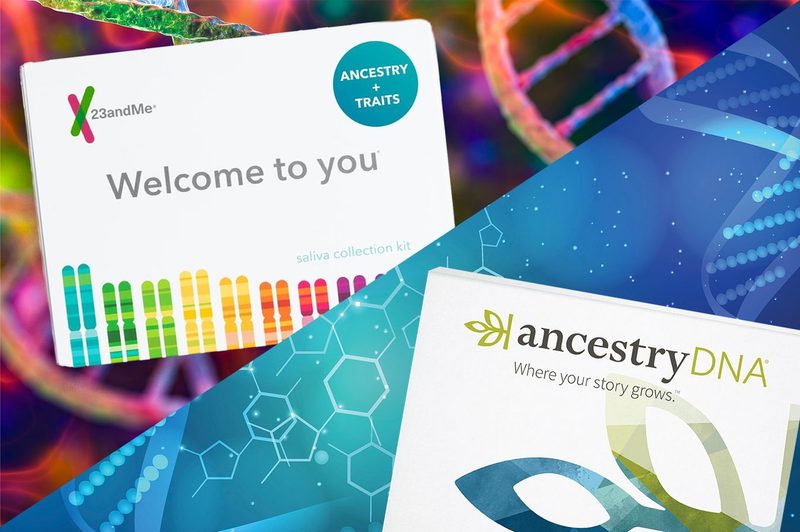
The concept of ancestry testing has gained immense popularity over the last two decades, allowing individuals to uncover their genetic heritage and familial connections. Pioneering companies such as AncestryDNA and 23andMe were among the first to offer comprehensive tests to analyze DNA and provide insights into ethnic backgrounds. Since the launch of the first commercial DNA test for ancestry in 2000, millions have utilized these services to explore their lineage.
The Evolution of Ancestry Testing
The journey of ancestry testing began with the discovery of the double helix structure of DNA by James Watson and Francis Crick in 1953. This breakthrough laid the groundwork for understanding genetic makeup and inheritance patterns. By the early 2000s, geneticists had developed the ability to analyze single nucleotide polymorphisms (SNPs), which paved the way for the popular ancestry tests we see today. Utilizing databases containing millions of genetic samples, these tests can offer insights into ethnic origins from regions around the globe.
How Ancestry Tests Work
Ancestry tests typically involve a simple saliva or cheek swab sample, which is then analyzed in a laboratory. The process focuses on identifying specific markers in a person's DNA that correspond with known gene pools. By comparing these markers against a vast reference database, the tests can estimate a person's ancestral origins and even connect them with relatives who share similar genetic traits. This has opened up new avenues for individuals seeking to understand their family history.
Impact on Genealogy Research
Ancestry testing has transformed genealogy research, allowing individuals to discover connections that traditional methods might miss. Records such as census data, birth certificates, and immigration documents can now be corroborated with genetic evidence, making family trees more accurate. Moreover, these tests have sparked discussions about identity, migration patterns, and even the implications of genetic privacy.
As you dive into this quiz, challenge yourself to uncover interesting facts about ancestry tests, their history, and their impact on our understanding of identity and lineage. Can you score 10/10 and prove your knowledge on this fascinating subject?
 Multiple Choice
No comments yet. Be the first!