Basic Life Support (BLS) is an essential skill for healthcare providers and laypersons alike, designed to maintain circulation and breathing in critically injured individuals. The American Heart Association (AHA) has developed standardized guidelines, with significant updates in 2010 and 2020 to reflect the latest research in resuscitation science. Understanding BLS can be the difference between life and death, as timely intervention can significantly improve survival rates in cardiac emergencies.
History of Basic Life Support
The concept of Basic Life Support emerged in the mid-20th century, with early pioneers like Dr. Peter Safar and Dr. James Elam advocating for the importance of airway management and artificial ventilation. The first comprehensive guidelines for CPR were published in 1966 by the National Academy of Sciences, which laid the groundwork for modern BLS practices. Since then, the AHA has continued to refine these guidelines, incorporating new research findings and techniques to improve outcomes for patients experiencing cardiac arrest.
Key Techniques in BLS
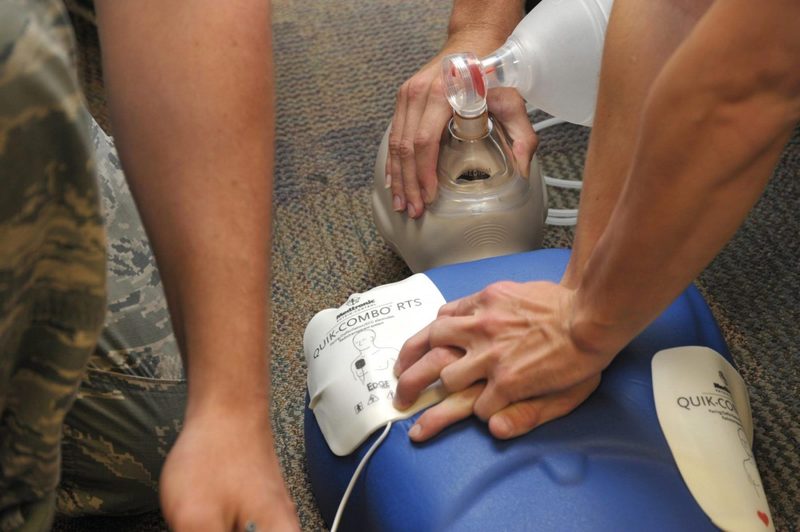
BLS encompasses several critical techniques, including chest compressions, ventilations, and the use of an automated external defibrillator (AED). The current recommendation emphasizes performing high-quality chest compressions at a rate of 100 to 120 compressions per minute, allowing for full chest recoil between compressions. Additionally, the use of AEDs has become a vital part of BLS, as they can quickly restore normal heart rhythms in cases of sudden cardiac arrest. Knowing when and how to use these techniques can empower bystanders to act effectively in emergencies.
Importance of Training and Certification
Training in BLS is critical for both healthcare professionals and the general public. The AHA offers various training programs, including hands-on courses and online modules, to ensure individuals are prepared to respond to cardiac emergencies. Certification in BLS not only enhances personal skills but also promotes a culture of safety and preparedness within communities. Regular refresher courses are recommended to keep skills current and ensure that responders are familiar with the latest guidelines.
As you take this quiz on BLS practice, you'll explore essential facts and techniques that can save lives. Challenge yourself and see how well you understand the principles of Basic Life Support!
 Multiple Choice
No comments yet. Be the first!