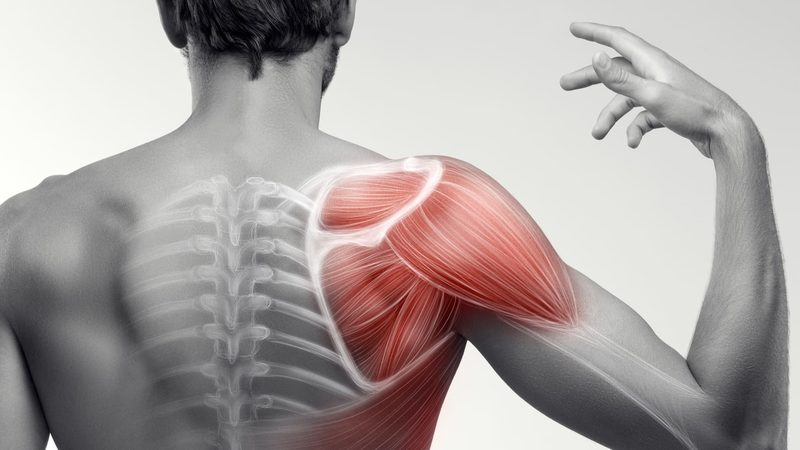
Bony landmarks serve as crucial reference points on the human skeleton, assisting in both anatomical studies and clinical practices. These distinctive features, such as spinous processes and trochanters, enable healthcare professionals to accurately identify locations for procedures and diagnoses. The understanding of these landmarks dates back to the work of early anatomists like Andreas Vesalius, who published the seminal work De humani corporis fabrica in 1543, revolutionizing our knowledge of human anatomy.
Historical Significance of Bony Landmarks
The study of bony landmarks has evolved significantly over the centuries. In ancient times, anatomists relied on dissection and observation to document the skeletal structure. The meticulous drawings and notes by figures such as Leonardo da Vinci in the 15th century laid the groundwork for future anatomical science. His detailed studies highlighted the importance of bony landmarks in understanding human movement and function, paving the way for modern anatomical education.
Clinical Applications
Bony landmarks are not merely academic; they play vital roles in clinical settings. Orthopedic surgeons, for example, use these landmarks to guide surgical interventions, ensuring precision in procedures like joint replacements. Knowledge of landmarks such as the greater tubercle of the humerus or the anterior superior iliac spine is crucial for accurate diagnosis and treatment. Radiologists also rely on these reference points when interpreting imaging studies, further emphasizing their practical significance.
Importance in Physical Therapy
In the realm of physical therapy, understanding bony landmarks is essential for crafting effective rehabilitation programs. Therapists utilize these landmarks to assess movement patterns and identify areas of dysfunction. For instance, recognizing the alignment of the patella during knee extension can inform treatment strategies. This integration of anatomy and practice underscores the foundational role of bony landmarks in enhancing patient outcomes.
Now that you've explored the significance and applications of bony landmarks, it's time to challenge yourself! This quiz will test your knowledge on various bony landmarks, their historical relevance, and their applications in modern medicine.
 Multiple Choice
No comments yet. Be the first!