The human brain is an extraordinary organ that serves as the command center for the nervous system. It is responsible for everything from thought and memory to emotion and motor skills. The brain has an estimated 86 billion neurons, a figure that was popularized by neuroscientist Santiago Ramón y Cajal, often referred to as the father of modern neuroscience. This intricate network allows for complex functions and behaviors, making the study of the brain a rich field of inquiry and discovery.
History of Neuroscience
The history of neuroscience is filled with groundbreaking discoveries that have shaped our understanding of the brain. In the 19th century, Charles Bell and Francois Magendie were pivotal in establishing the distinction between sensory and motor nerves. Their work laid the foundation for the modern understanding of the nervous system. Furthermore, the invention of the electroencephalogram (EEG) in the early 20th century allowed scientists to study brain activity in real-time, opening new avenues for research and medical applications.
Brain Structure and Function
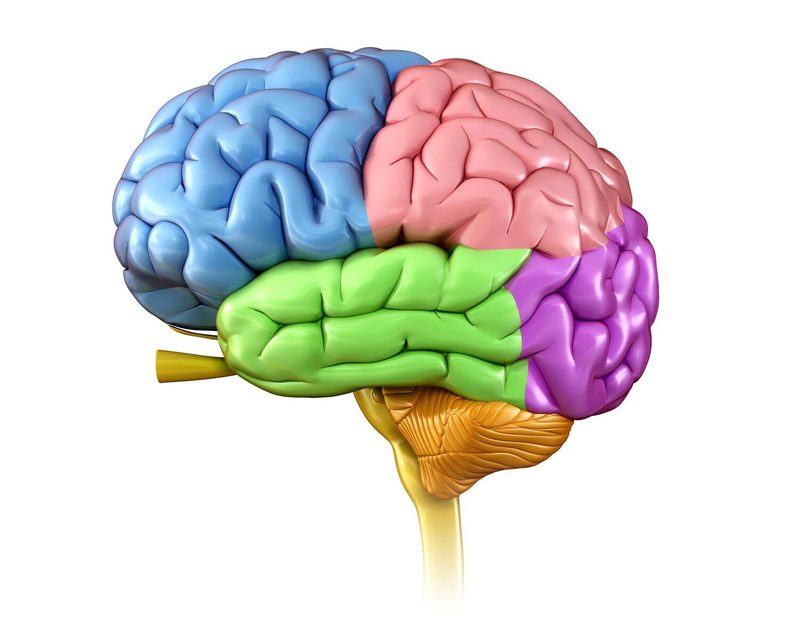
The brain is divided into several key regions, each responsible for different functions. The cerebrum, the largest part, is divided into two hemispheres and is involved in complex tasks such as reasoning, problem-solving, and planning. The cerebellum coordinates movement and balance, while the brainstem controls vital functions such as breathing and heart rate. Understanding these structures has led to significant advances in treating neurological disorders.
Neuroplasticity and Learning
Neuroplasticity refers to the brain's ability to reorganize itself by forming new neural connections throughout life. This concept, championed by researchers like Michael Merzenich and Norman Doidge, emphasizes that the brain is not static but can adapt and change in response to learning and experience. This understanding has profound implications for rehabilitation after injury and the treatment of various mental health disorders.
Are you ready to challenge your understanding of the brain? This quiz covers a range of topics, from the history of neuroscience to the latest discoveries in brain function and neuroplasticity. Test your knowledge and see how much you really know!
 Multiple Choice
No comments yet. Be the first!