Confined spaces are defined as areas that are not designed for continuous human occupancy and have limited means of entry or exit. These environments can include tanks, silos, and tunnels, presenting significant risks due to potential hazards such as toxic atmospheres and engulfment. The Occupational Safety and Health Administration (OSHA) has established regulations since the late 20th century to protect workers in these environments, emphasizing the importance of safety training and proper equipment.
History of Confined Space Regulations
The evolution of confined space regulations dates back to the **1970s** when OSHA recognized the unique dangers workers faced in such environments. In **1993**, OSHA implemented a specific standard for confined spaces in construction, mandating safety protocols and training. This was a significant step, as it aimed to reduce the alarming number of fatalities, which averaged around **60 deaths annually** in the United States due to confined space incidents.
Key Hazards in Confined Spaces
Workers in confined spaces face various hazards, including **atmospheric dangers** such as oxygen deficiency, flammable gases, and toxic vapors. For instance, in **2010**, a tragic incident in a sewer system resulted in multiple fatalities due to a lack of proper ventilation and monitoring. Understanding these risks is essential for ensuring safety, making it crucial for workers to be trained in hazard recognition and emergency response.
Safety Measures and Best Practices
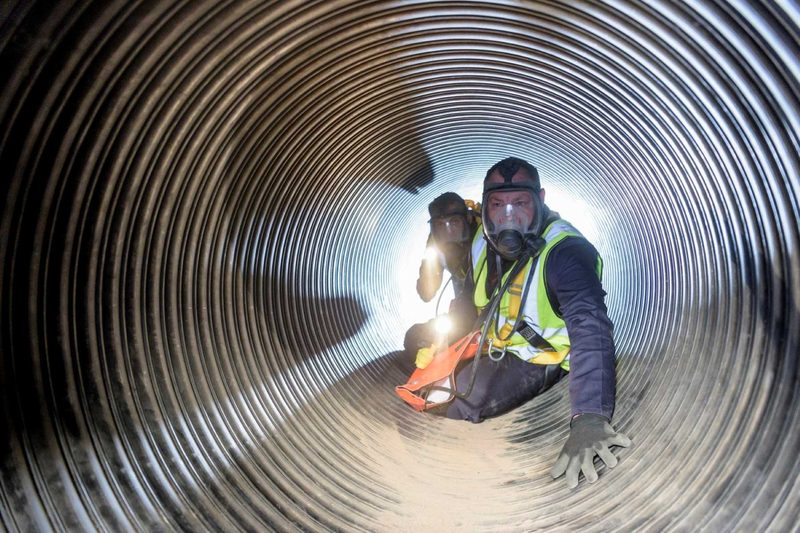
Effective safety measures for working in confined spaces include proper ventilation, monitoring of atmospheric conditions, and the use of personal protective equipment (PPE). Before entering, a thorough risk assessment should be conducted. The **Buddy System** is also recommended, where workers enter confined spaces in pairs to ensure that help is available in case of emergencies. Following these best practices can significantly mitigate the risks associated with confined space operations.
Are you ready to test your knowledge about the complexities and regulations surrounding confined spaces? This quiz covers various aspects of confined space safety, history, and key figures involved in creating standards.
 Multiple Choice
No comments yet. Be the first!