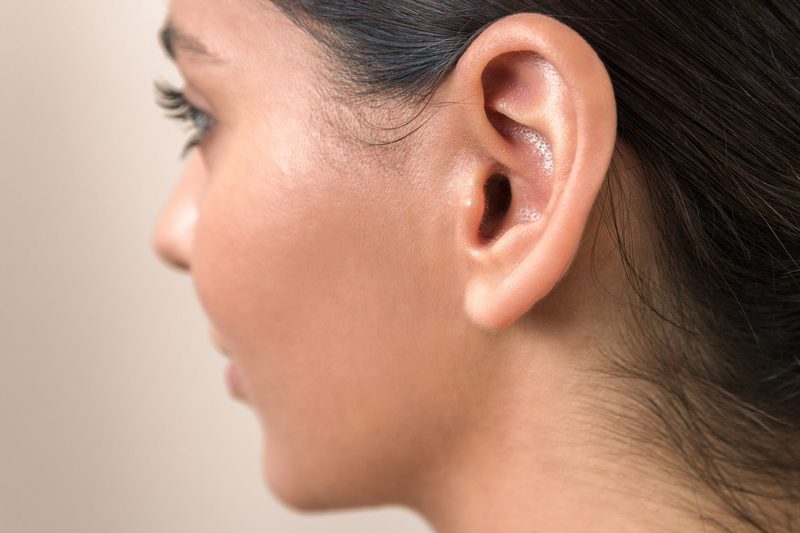
The human ear is a complex organ responsible for hearing and balance, consisting of three main parts: the outer ear, middle ear, and inner ear. The cochlea, a spiral-shaped structure in the inner ear, converts sound vibrations into electrical signals that the brain interprets. The anatomy of the ear allows us to detect a wide range of frequencies, from the lowest bass notes to the highest treble sounds, showcasing its remarkable sensitivity.
History of Ear Research
Throughout history, the study of the ear has evolved significantly. In the 17th century, Marin Mersenne conducted experiments on sound waves, laying the groundwork for future acoustics research. By the 19th century, advancements in technology allowed for the invention of the stethoscope by René Laennec, helping physicians listen to internal body sounds, including those produced by the ear. These milestones paved the way for modern audiology.
Common Ear Disorders
Many people suffer from ear-related issues, with some of the most common being otitis media (middle ear infection), tinnitus (ringing in the ears), and hearing loss. Otitis media is particularly prevalent among children, leading to temporary hearing loss and discomfort. Tinnitus affects millions, often resulting from exposure to loud noises or age-related hearing deterioration, highlighting the importance of ear health and protection.
The Role of Ears in Balance
The inner ear houses the vestibular system, which is essential for maintaining balance. This system consists of structures that detect changes in head position and motion, sending signals to the brain to help coordinate balance and spatial orientation. Issues with the vestibular system can lead to dizziness and balance disorders, underscoring the ear's crucial role beyond just hearing.
Ready to challenge yourself? This quiz will cover the anatomy, history, and various conditions related to the ear. Test your knowledge and see how much you really know about this incredible organ!
 Multiple Choice
No comments yet. Be the first!