Eczema, or atopic dermatitis, is a common chronic skin condition characterized by dry, itchy, and inflamed skin. Affecting approximately 10% to 20% of infants and 3% of adults globally, its prevalence has increased markedly since the 1970s. The exact cause remains elusive, but genetic and environmental factors play significant roles. Notably, figures like Dr. Jean-Pierre W. M. de Jongh have contributed to our understanding of its mechanisms, paving the way for innovative treatments.
History of Eczema Research
The term "eczema" has its roots in the Greek word "ekzein," meaning "to boil over," which aptly describes the intense itching and inflammation associated with the condition. In 1933, Dr. H. M. Plunkett published one of the first comprehensive studies on eczema, distinguishing it from other skin disorders. Over the decades, significant advancements in dermatological science have been made, leading to the development of topical steroids and biologic therapies aimed at managing symptoms and improving patient quality of life.
Symptoms and Types of Eczema
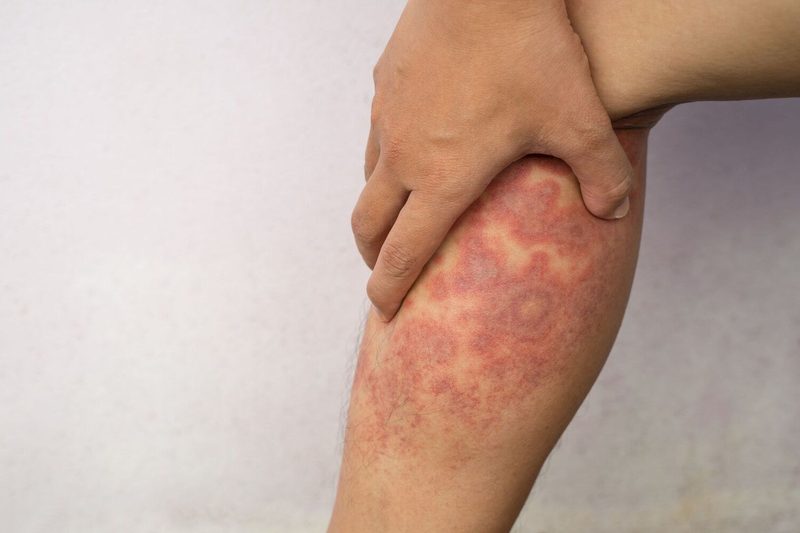
Eczema manifests in various forms, with *atopic dermatitis* being the most common. Symptoms typically include intense itching, redness, and rashes, which can appear anywhere on the body. Other types, such as *contact dermatitis* and *seborrheic dermatitis*, present differently and may be triggered by allergens or irritants. Knowing the symptoms is crucial for early diagnosis and effective management, especially since eczema can significantly affect sleep and daily activities.
Modern Treatments and Management
In recent years, advancements in eczema treatment have introduced new options that enhance patient care. Treatments range from topical corticosteroids and ointments to systemic medications like immunosuppressants. The introduction of biologic therapies, such as dupilumab in 2017, has revolutionized the management of moderate to severe eczema, offering hope for long-term relief. Lifestyle modifications, including moisture retention strategies and avoidance of triggers, also play a vital role in managing the condition.
Whether you're a healthcare professional or someone living with eczema, understanding this condition is essential. Our quiz will challenge your knowledge on the history, symptoms, and treatment options surrounding eczema. Are you ready to test yourself?
 Multiple Choice
No comments yet. Be the first!