The electrocardiogram (EKG) is a crucial diagnostic tool used to measure the electrical activity of the heart. Invented in 1903 by Dutch physician Willem Einthoven, the EKG has since evolved into a fundamental procedure in cardiology. It allows medical professionals to detect abnormalities in heart rhythm and identify various cardiac conditions, including arrhythmias and myocardial infarctions. With its ability to provide rapid and accurate information, the EKG has saved countless lives over the past century.
History of the EKG
Willem Einthoven's invention of the EKG marked a significant milestone in medical technology. The first EKG machine used a liquid galvanometer, which was a complex apparatus for its time. By 1924, Einthoven's contributions were recognized with the Nobel Prize in Physiology or Medicine, making him one of the pioneers in the field of cardiology. As technology advanced, EKG machines became more compact and user-friendly, leading to their widespread adoption in hospitals and clinics around the world.
How EKG Works
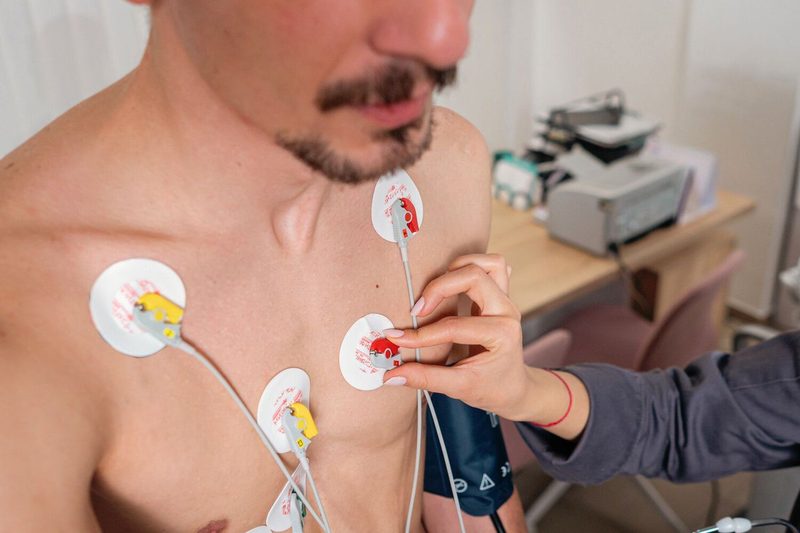
An EKG works by placing electrodes on the skin, which detect electrical signals produced by the heart as it beats. These signals are then amplified and recorded, producing a graphic representation of the heart's activity. The resulting waveform displays different segments and intervals, such as PR interval and QT interval, which are crucial for diagnosing various heart conditions. Medical professionals analyze these patterns to assess heart health and determine appropriate interventions.
Common Uses of EKG
Healthcare providers utilize EKGs for various purposes, including cardiac monitoring during surgeries, diagnosing heart attacks, and evaluating patients with chest pain. EKGs are also essential in assessing the effectiveness of medications and identifying potential side effects. With the rise of telemedicine, portable EKG devices are becoming increasingly popular, allowing patients to monitor their heart health conveniently at home.
Are you ready to challenge yourself with our EKG quiz? This quiz covers the history, functionality, and applications of the EKG, testing your knowledge on this essential medical tool.
 Multiple Choice
No comments yet. Be the first!