Enzymes are fascinating proteins that accelerate chemical reactions in living organisms. They were first discovered in the 19th century, with key contributions from scientists like Eduard Buchner, who won the Nobel Prize in Chemistry in 1907 for his work on fermentation. Enzymes are essential for various biological processes, including digestion and metabolism, as they lower the activation energy needed for reactions to occur.
History of Enzyme Discovery
The history of enzyme discovery is filled with groundbreaking research and notable achievements. In 1926, James B. Sumner successfully crystallized the enzyme urease, marking the first time an enzyme was isolated in pure form. This significant milestone established enzymes as proteins, fundamentally changing our understanding of their roles in biology. Over the decades, research has led to the identification of thousands of enzymes, each with unique functions and characteristics.
How Enzymes Work
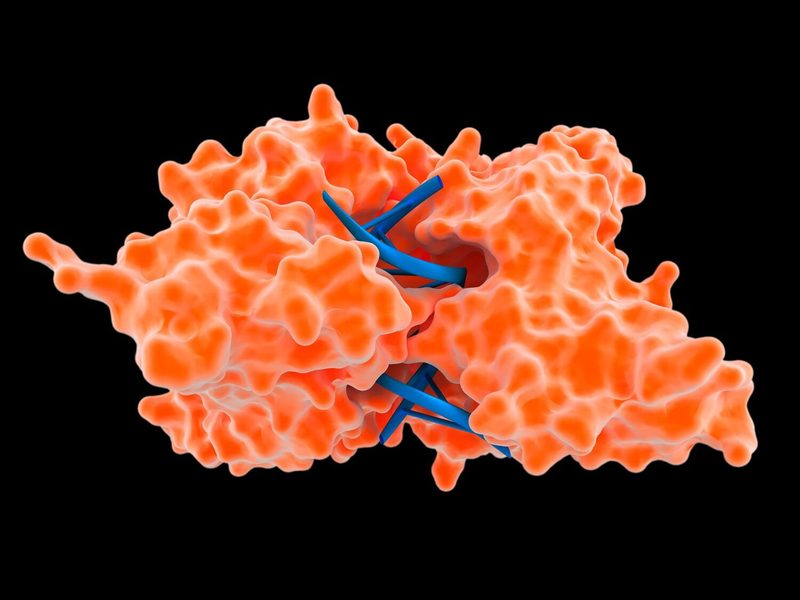
Enzymes function by binding to substrates at their active sites, forming a temporary enzyme-substrate complex. This interaction lowers the activation energy required for the reaction to proceed, allowing the reaction to occur more rapidly. Enzymes are highly specific, meaning each enzyme typically catalyzes only one type of reaction. Factors such as temperature and pH can affect enzyme activity, making them sensitive to changes in their environment.
Applications of Enzymes
Enzymes are utilized in various industries, including food production, pharmaceuticals, and biotechnology. For example, amylases are used in the baking industry to break down starches into sugars, while proteases are essential in the production of cheese. The ability to engineer enzymes for specific applications has revolutionized many fields, leading to more efficient processes and innovative products.
Ready to test your knowledge of enzymes? This quiz covers everything from their discovery to their applications in modern science. Let's see how well you can score!
 Multiple Choice
No comments yet. Be the first!