The study of eye anatomy has evolved significantly over the centuries, revealing the intricate structures that allow us to perceive the world visually. From the cornea to the retina, each component plays a vital role in the process of sight. Notable figures like Ibn al-Haytham, known as the 'father of optics,' laid foundational theories in the 11th century that continue to inform our understanding of vision today.
History of Eye Anatomy
The exploration of eye anatomy can be traced back to ancient civilizations, but it was during the Islamic Golden Age that significant advancements were made. Ibn al-Haytham (965-1040 AD) conducted experiments that demonstrated how light interacts with the eye, proposing that vision occurs when light reflects off objects and enters the eye. His groundbreaking text, the Book of Optics, is considered a cornerstone in the study of vision and optics.
Key Components of the Eye
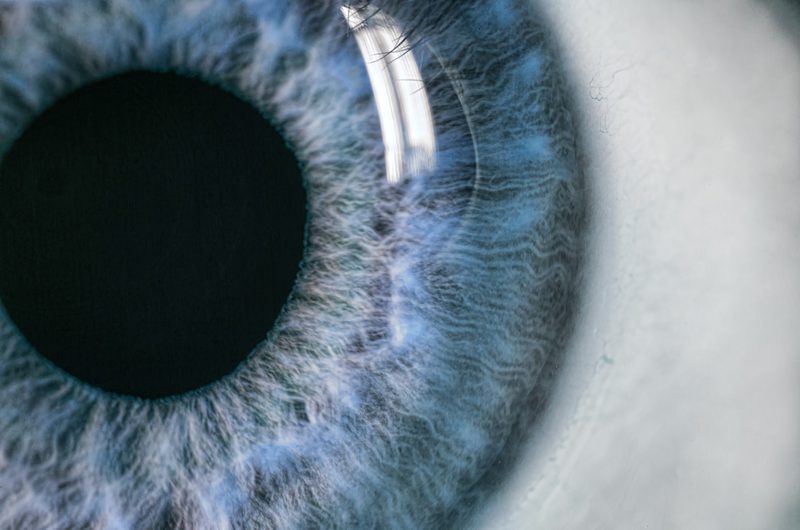
The human eye comprises several essential parts, each contributing to the overall function of vision. The cornea is the clear front layer that refracts light, while the lens focuses that light onto the retina, which transforms it into neural signals sent to the brain. The iris controls the size of the pupil, adjusting the amount of light that enters the eye, demonstrating the complex interplay of these components.
Modern Discoveries and Technologies
In recent years, advancements in technology have furthered our understanding of eye anatomy. Innovations like optical coherence tomography (OCT) allow for non-invasive imaging of the retina, providing insights into diseases such as macular degeneration and diabetic retinopathy. These technologies have significantly improved diagnostic capabilities and treatment options for eye conditions.
Ready to challenge your knowledge of eye anatomy? This quiz will cover various aspects, from historical figures and discoveries to the intricate structures of the eye itself.
 Multiple Choice
No comments yet. Be the first!