The human facial skeleton consists of 14 distinct bones that contribute to the overall architecture of the face. These bones include the nasal bones, maxillae, zygomatic bones, and mandible, among others. Each plays a vital role in shaping our facial features, supporting the teeth, and forming the cavities of the eyes and nasal passages. Understanding these bones is essential for fields ranging from medicine to anthropology, as they provide insight into human evolution and health.
History of Facial Bones in Anatomy
The study of facial bones dates back to ancient civilizations, but it was during the Renaissance that significant progress was made. In 1543, Andreas Vesalius published 'De humani corporis fabrica,' which laid the groundwork for modern anatomy. Vesalius meticulously detailed the structure of the skull, including facial bones, challenging centuries-old misconceptions. His work marked a turning point, allowing for more accurate surgical practices and a deeper understanding of human anatomy.
Key Facial Bones and Their Functions
Among the 14 facial bones, the maxilla is the largest and forms the upper jaw, playing a crucial role in the structure of the face and the alignment of teeth. The mandible, or lower jaw, is the only moveable bone in the skull, allowing for essential functions such as chewing and speaking. Other notable bones include the nasal bones, which shape the bridge of the nose, and the zygomatic bones, also known as cheekbones, which provide facial contour and structure.
Facial Bones and Their Role in Health
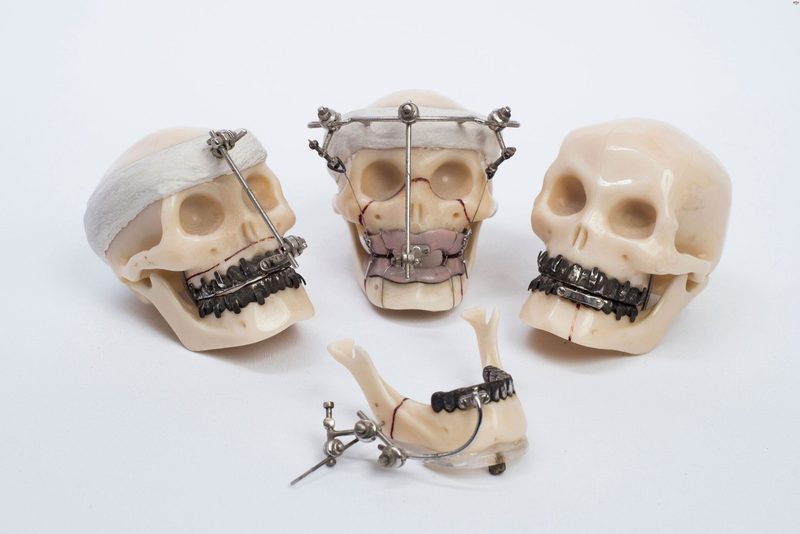
The facial bones are not just structural components; they also have significant implications for health. Conditions such as cleft palate and facial fractures can arise from abnormalities or injuries to these bones. Additionally, understanding facial bone anatomy is crucial for dental professionals when performing surgeries or orthodontic treatments. This knowledge aids in the prevention and treatment of various conditions affecting the face.
Now that you've learned about the fascinating world of facial bones, it's time to put your knowledge to the test! This quiz covers various aspects of facial bone anatomy, history, and health implications.
 Multiple Choice
No comments yet. Be the first!