Fall protection is a vital aspect of workplace safety, particularly in construction, where falls from heights account for a significant number of fatalities. According to the National Institute for Occupational Safety and Health (NIOSH), in 2019 alone, there were 880 fatal falls to a lower level in the United States. The development of fall protection systems and regulations, such as the OSHA standards introduced in 1971, has been crucial in reducing these numbers and improving worker safety.
History of Fall Protection Regulations
The first major regulations for fall protection were established by the Occupational Safety and Health Administration (OSHA) in 1971. These regulations were influenced by numerous workplace accidents and aimed to protect workers from falls that could occur at heights of six feet or more. Over the years, the regulations have evolved, incorporating advances in technology and safety practices, such as the introduction of personal fall arrest systems and guardrails. Notably, the 1994 OSHA Fall Protection Standard further refined these measures, mandating the use of fall protection systems in various industries.
Key Components of Fall Protection Systems
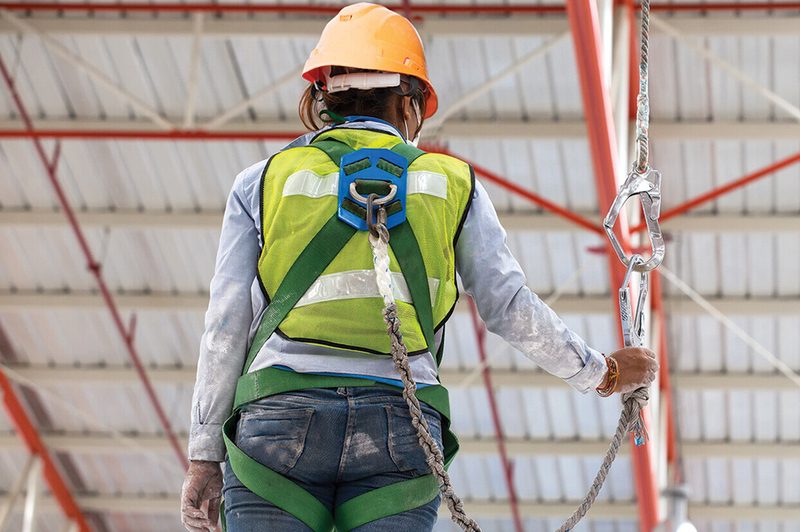
Effective fall protection systems consist of multiple components, including personal fall arrest systems (PFAS), guardrails, safety nets, and warning lines. PFAS are designed to arrest a fall before the worker makes contact with a lower surface, typically using harnesses, lanyards, and anchorage points. Guardrails serve as a physical barrier to prevent falls, while safety nets can catch falling workers and tools. It's essential for employers to assess the specific risks and implement a combination of these systems to ensure comprehensive fall protection.
Current Trends in Fall Protection
Recent trends in fall protection highlight the integration of technology in safety practices. Innovations such as drones for site inspections and wearable technology that monitors worker movements and potential hazards are gaining popularity. These advancements aim to enhance safety by providing real-time data and improving risk assessments on construction sites. Companies are also focusing on training workers to recognize fall hazards and utilize safety equipment effectively.
Challenge yourself with this quiz covering the history, regulations, and advancements in fall protection. See how well you understand the measures that keep workers safe from falls!
 Multiple Choice
No comments yet. Be the first!