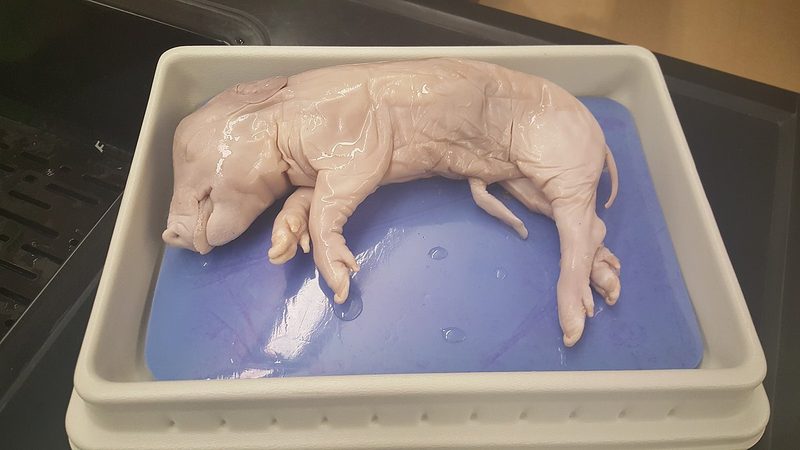
The fetal pig dissection is an essential part of biology education, enabling students to explore the anatomy and physiology of mammals. Fetal pigs, typically obtained from sows that are pregnant and slaughtered for meat, provide a unique opportunity to study developmental stages similar to those found in humans. This practice has been utilized in classrooms since the mid-1800s, allowing generations of students to gain hands-on experience in scientific inquiry.
History of Fetal Pig Dissection
The use of fetal pigs in educational dissections became prominent in the 19th century, coinciding with a growing emphasis on anatomical studies. Notably, in 1822, anatomist Jean-Pierre Flourens advocated for dissection as a means to understand the complexities of living organisms. As the field of biology evolved, educators recognized fetal pigs as ideal specimens due to their anatomical similarities to humans, thus making them a common choice in laboratories across the globe.
Significance in Biological Education
Fetal pig dissections serve multiple educational purposes, including enhancing students' understanding of organ systems, physiology, and developmental biology. By engaging in dissection, students can identify organs such as the heart, lungs, and liver, and learn about their functions in a living organism. This hands-on approach fosters a deeper appreciation of biological processes, critical thinking skills, and the scientific method, making it an invaluable part of any biology curriculum.
Ethical Considerations
As with any practice involving dissection, ethics play a crucial role in fetal pig dissections. Many educators emphasize the importance of respect for the specimens and the lives they represent. Discussions surrounding the use of fetal pigs often include considerations about animal rights, sustainability, and the sources of these specimens, encouraging students to think critically about the implications of their studies.
Prepare to challenge yourself with this quiz on fetal pig dissection, covering its history, significance, and ethical considerations. Can you score 10/10?
 Multiple Choice
No comments yet. Be the first!