Food safety is a vital concern for consumers and regulators alike, as it directly impacts public health and well-being. The World Health Organization (WHO) has reported that nearly 600 million people fall ill each year due to unsafe food, leading to 420,000 deaths. This underscores the importance of understanding proper food handling, storage, and preparation techniques. With notable figures advocating for improvements in food safety standards, such as Dr. Ellen Silbergeld, whose work began in the 1970s, the topic remains relevant and pressing.
History of Food Safety Regulations
The evolution of food safety regulations dates back to the late 19th century. In 1906, the United States passed the Pure Food and Drug Act, marking a significant milestone in food safety legislation. This law aimed to eliminate misbranded and adulterated foods and drugs from the market. Upton Sinclair's novel, The Jungle, highlighted the horrific conditions in the meatpacking industry, prompting public outcry and government action. Over the years, various acts have been enacted, including the Food Safety Modernization Act of 2011, which focuses on proactive measures to prevent foodborne illnesses.
Understanding Foodborne Illnesses
Foodborne illnesses are caused by consuming contaminated food or beverages. Common pathogens include Salmonella, E. coli, and Listeria monocytogenes. Symptoms can range from mild gastrointestinal discomfort to severe health complications, particularly in vulnerable populations such as children and the elderly. The Centers for Disease Control and Prevention (CDC) estimates that 1 in 6 Americans gets sick from foodborne diseases each year. Awareness and education about safe food practices are essential to reduce these statistics.
Safe Food Handling Practices
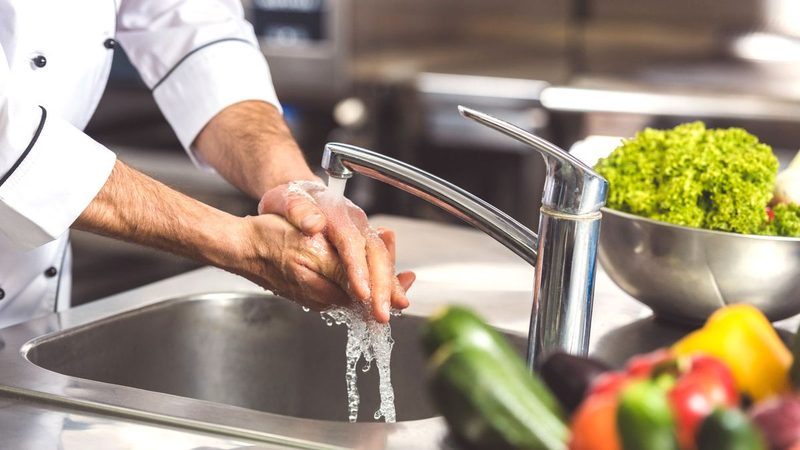
Proper food handling is crucial in preventing foodborne illnesses. The USDA recommends following the Four Steps to Food Safety: Clean, Separate, Cook, and Chill. Cleaning involves washing hands, surfaces, and produce thoroughly. Separating raw meat from other foods prevents cross-contamination, while cooking foods to the appropriate temperatures kills harmful bacteria. Finally, chilling foods promptly ensures that they remain safe to eat. Implementing these practices can significantly reduce the risk of foodborne illnesses.
Test your knowledge of food safety with this quiz, covering essential practices, historical milestones, and key facts that can protect you and your loved ones.
 Multiple Choice
No comments yet. Be the first!