A heart attack, medically known as a myocardial infarction, occurs when blood flow to the heart is blocked, leading to damage of the heart muscle. This condition can be precipitated by factors such as high blood pressure, high cholesterol, or lifestyle habits. Notable figures like Bill Clinton and Barbara Walters have raised awareness through their personal battles with heart disease, emphasizing the importance of recognizing symptoms and seeking timely medical help.
History of Heart Attacks
The understanding of heart attacks has evolved significantly over the decades. The first known case was documented in 1912 by Dr. James Herrick, who described the clinical features of a heart attack. Since then, medical research has advanced, leading to improved diagnostic tools and treatment options. The Framingham Heart Study, which began in 1948, was pivotal in identifying risk factors such as smoking, obesity, and diabetes, fundamentally changing how we approach heart health.
Symptoms and Diagnosis
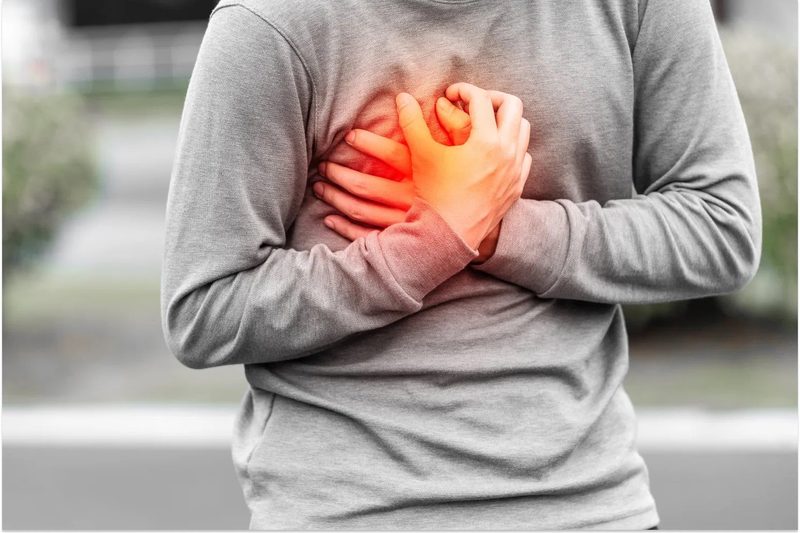
Common symptoms of a heart attack include chest pain, shortness of breath, and discomfort in the arms, back, neck, or jaw. Medical professionals typically use an electrocardiogram (ECG) and blood tests to diagnose a heart attack. Early detection is crucial since timely intervention can significantly reduce heart damage and improve outcomes. Awareness of these symptoms can empower individuals to seek help promptly and potentially save a life.
Prevention and Treatment
Preventive measures for heart attacks include maintaining a healthy diet, regular exercise, and avoiding tobacco products. Medications such as aspirin and statins are often prescribed to reduce the risk of heart attacks. In severe cases, procedures like angioplasty or bypass surgery might be necessary. Understanding these preventive strategies is essential for promoting heart health and reducing the incidence of heart attacks.
This quiz will challenge your knowledge about heart attacks, covering their history, symptoms, prevention, and famous cases. Are you ready to test yourself?
 Multiple Choice
No comments yet. Be the first!