The human heart is a remarkable organ, responsible for pumping blood throughout the body. This vital process facilitates the delivery of oxygen and nutrients while removing waste products. In 1628, William Harvey published his groundbreaking work, 'Exercitatio Anatomica de Motu Cordis et Sanguinis in Animalibus', which detailed the circulation of blood and laid the foundation for modern cardiovascular physiology. With each heartbeat, the heart can pump approximately 5 liters of blood, making it essential to our survival.
History of Blood Circulation
The concept of blood circulation was not fully understood until the 17th century. Prior to Harvey, many believed in the Galenic theory, which posited that blood was produced in the liver and consumed by the body. Harvey's work was revolutionary, demonstrating that blood circulates in a closed system through the heart, arteries, and veins, paving the way for future discoveries in medicine and biology.
Components of Blood Flow
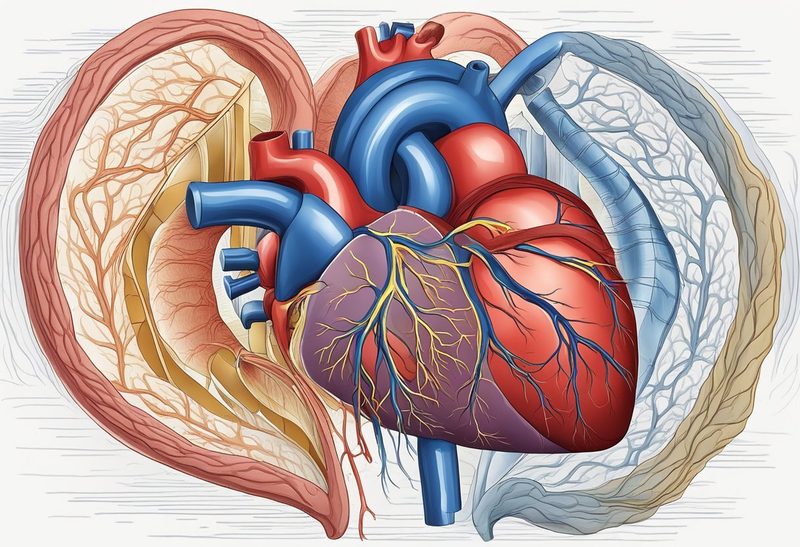
Blood flow is divided into two main circuits: the pulmonary and systemic circuits. The pulmonary circuit carries deoxygenated blood from the heart to the lungs for oxygenation, while the systemic circuit delivers oxygen-rich blood to the rest of the body. The heart consists of four chambers: the left atrium, left ventricle, right atrium, and right ventricle. Each chamber plays a critical role in maintaining efficient blood circulation.
Significance of Heart Health
Maintaining a healthy heart is crucial for overall well-being. Conditions such as atherosclerosis and hypertension can hinder blood flow and lead to serious health issues, including heart attacks and strokes. Regular exercise, a balanced diet, and routine check-ups are vital for keeping the heart and circulatory system in optimal condition.
Now that you have learned about the fundamentals of heart blood flow, challenge yourself with our quiz! It covers key facts about the heart's anatomy, blood circulation history, and the significance of cardiovascular health.
 Multiple Choice
No comments yet. Be the first!