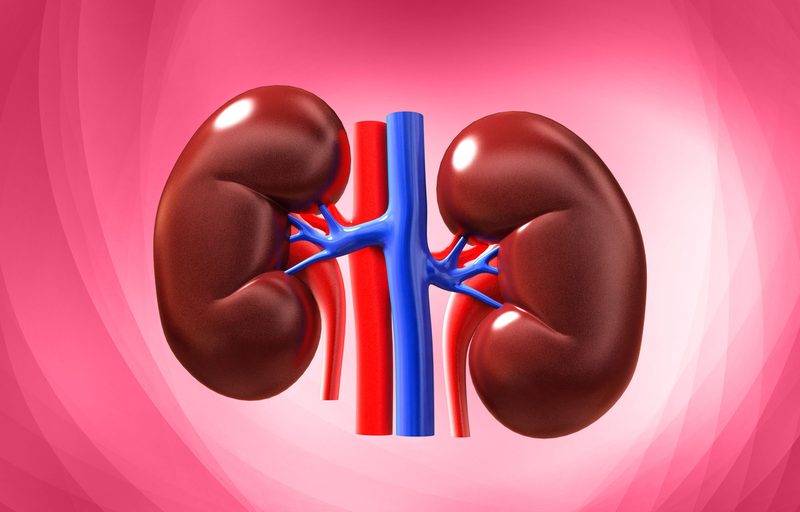
The kidneys are remarkable organs that play a critical role in maintaining overall health. Located at the rear of the abdominal cavity, they weigh about 5 ounces each and are roughly the size of a fist. The kidneys filter about 50 gallons of blood daily, removing waste and excess substances while regulating vital minerals. The first successful kidney transplant occurred in 1954, performed by Dr. Joseph E. Murray, marking a significant milestone in medical history.
History of Kidney Medicine
The study of kidneys dates back to ancient civilizations, with the first known descriptions appearing in Egyptian papyrus around 1500 BC. Notable advancements occurred in the 19th century with the discovery of kidney functions and diseases. In 1940, Dr. Willem Kolff created the first artificial kidney, paving the way for dialysis treatments. This innovative approach has saved countless lives and continues to evolve, leading to modern renal replacement therapies.
Kidney Functionality
The primary functions of the kidneys include filtration, reabsorption, and secretion. Each kidney contains about one million nephrons, the functional units responsible for filtering blood. They remove waste products like urea and creatinine while conserving essential substances such as glucose and certain ions. This intricate process helps maintain homeostasis in the body, regulating fluid balance, blood pressure, and electrolyte levels.
Kidney Health
Maintaining healthy kidneys is vital for overall well-being. Common kidney diseases include chronic kidney disease (CKD) and kidney stones, which can result from various factors such as diabetes, hypertension, and genetic predisposition. Regular check-ups and lifestyle changes, such as a balanced diet and adequate hydration, can significantly reduce the risk of kidney-related issues. Understanding how your kidneys function can empower you to make better health choices.
Are you ready to test your knowledge about these vital organs? This quiz will cover various aspects of kidney anatomy, history, and health, challenging you to see how well you understand this essential part of the human body.
 Multiple Choice
No comments yet. Be the first!