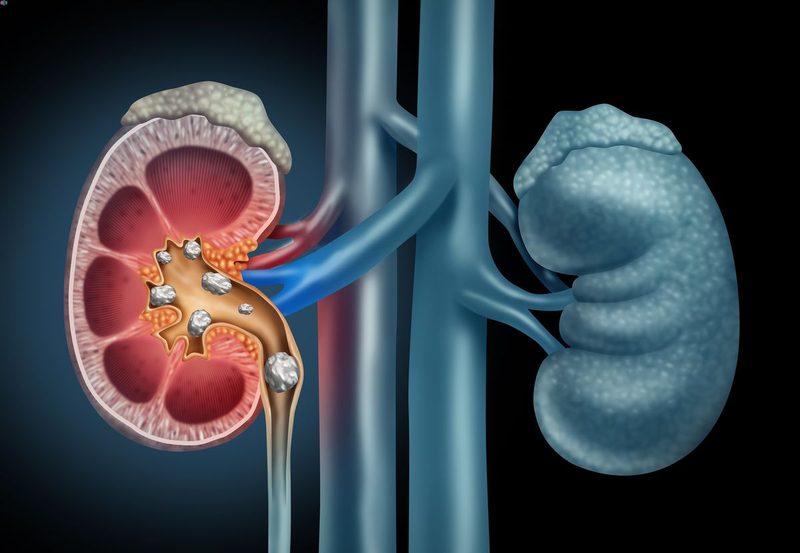
Kidney stones, also known as nephrolithiasis, are solid masses made of crystals that originate in the kidneys. They can vary in size from a grain of sand to a golf ball, causing significant discomfort during their passage. The first recorded case of kidney stones dates back to ancient Egypt, with medical texts suggesting that they were recognized as a health issue as early as 1500 BC. Today, the prevalence of kidney stones is rising, with millions affected worldwide.
History of Kidney Stones
The understanding of kidney stones has evolved significantly over the centuries. In 2000 BC, ancient Egyptians used surgical techniques to remove stones, and the famed Greek physician Hippocrates mentioned them in his writings around 400 BC. Fast forward to the 19th century, when Dr. William Beaumont conducted studies on digestion and discovered the role of diet in stone formation. His work laid the groundwork for modern dietary recommendations for those prone to kidney stones.
Types of Kidney Stones
Kidney stones are primarily classified into four types: calcium stones, struvite stones, uric acid stones, and cystine stones. Calcium stones, which account for about 80% of cases, often form due to high calcium levels in the urine. Struvite stones can develop after urinary tract infections, while uric acid stones are linked to a diet high in purines. Cystine stones are rare and occur in individuals with a genetic disorder affecting amino acid absorption.
Prevention and Treatment
Preventing kidney stones often involves lifestyle changes, such as increasing water intake and modifying dietary habits to reduce oxalate and sodium consumption. Medical treatments range from medication to surgical interventions like lithotripsy, which uses shock waves to break stones into smaller pieces. Understanding risk factors is crucial for prevention, especially for those with a family history of kidney stones.
Ready to challenge your knowledge on kidney stones? This quiz covers their history, types, prevention, and treatment methods!
 Multiple Choice
No comments yet. Be the first!