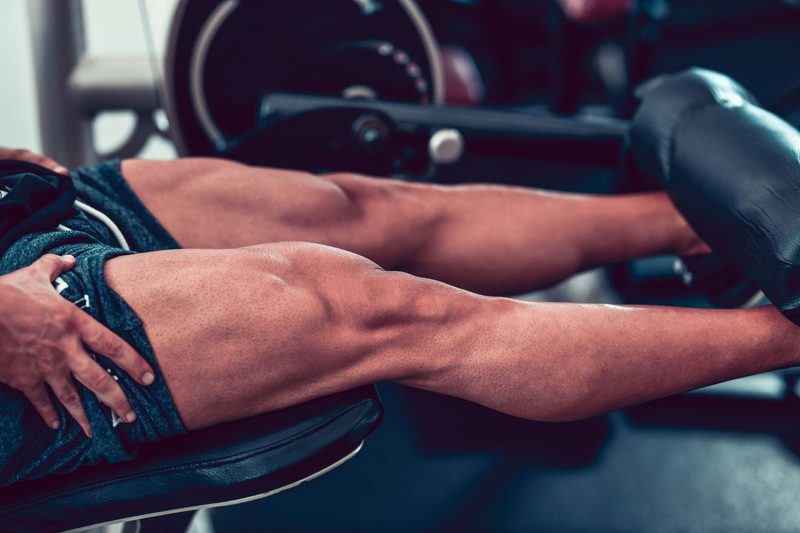
The human leg comprises a complex network of muscles that facilitate movement, provide stability, and support weight-bearing activities. The primary muscles in the leg include the quadriceps, hamstrings, and gastrocnemius, each serving distinct functions. The quadriceps, a group of four muscles located at the front of the thigh, are essential for extending the knee, while the hamstrings, located at the back, are responsible for flexing the knee. The calves, comprised mainly of the gastrocnemius and soleus, play a critical role in walking and running.
History of Leg Muscle Studies
Research on human anatomy has evolved significantly since ancient times. The Greek physician Hippocrates (c. 460-370 BC) is often called the father of medicine and laid foundational knowledge about muscle function. In the 19th century, advancements in anatomy and physiology allowed scientists like Anders Retzius to further explore the muscular system's intricacies. This period also saw the introduction of exercise physiology, helping athletes optimize their training for peak performance.
Key Functions of Leg Muscles
Leg muscles serve multiple functions beyond just locomotion. They are crucial for maintaining balance and posture while also absorbing shock during physical activities. The quadriceps contribute to activities like jumping and squatting, whereas the hamstrings are vital for deceleration and stabilization. Understanding these functions aids athletes in training regimens that enhance strength and prevent injuries, making knowledge of leg muscles essential.
Now that you've learned about leg muscles, test yourself with our quiz! It covers anatomy, functions, and historical insights related to leg muscles.
 Multiple Choice
No comments yet. Be the first!