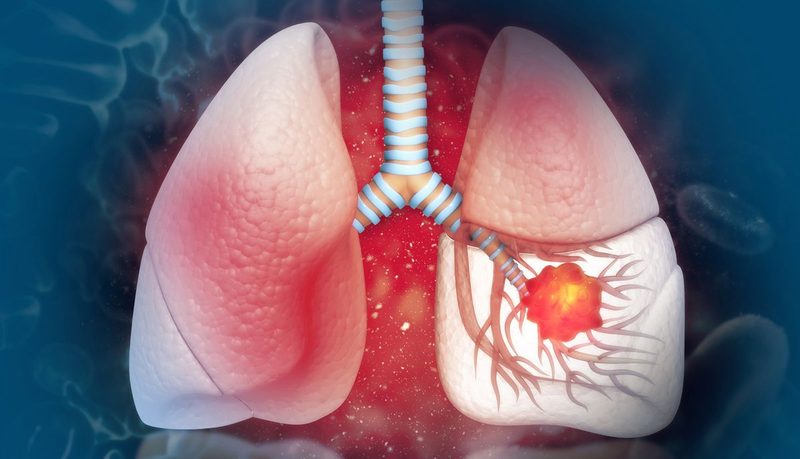
Lung cancer is a malignant tumor that develops in the lungs, often associated with smoking and exposure to secondhand smoke. In 2020, it was estimated that lung cancer accounted for 18% of all cancer deaths worldwide. Significant advancements in research and treatment have occurred over the past few decades, notably with the introduction of targeted therapies and immunotherapy. The survival rates for lung cancer have improved, yet it remains a major public health challenge.
History of Lung Cancer Research
The history of lung cancer research dates back to the early 20th century when Dr. Hermann Müller first linked cigarette smoking to the disease in the 1930s. In 1964, the U.S. Surgeon General issued a landmark report that established a definitive connection between smoking and lung cancer, leading to public health campaigns aimed at reducing tobacco use. This pivotal moment in medical history spurred further research into the genetic and environmental factors contributing to lung cancer.
Risk Factors and Prevention
Several risk factors are associated with lung cancer, including lifestyle choices and environmental exposures. Smoking is the leading cause, with approximately 85% of lung cancer cases attributed to tobacco use. Other risk factors include exposure to radon gas, asbestos, and air pollution. Preventive measures such as smoking cessation programs and public health policies aimed at reducing air pollution are crucial in decreasing the incidence of lung cancer.
Current Treatment Options
Modern treatment options for lung cancer include surgery, chemotherapy, radiation therapy, and targeted therapies. Surgical options vary from lobectomy to pneumonectomy, depending on the cancer's stage and location. Chemotherapy remains a standard treatment, but advances in immunotherapy, such as checkpoint inhibitors, have revolutionized care for many patients, improving overall survival rates.
Challenge yourself with this quiz covering vital facts about lung cancer, its history, risk factors, and treatment options. Are you ready to test your knowledge?
 Multiple Choice
No comments yet. Be the first!