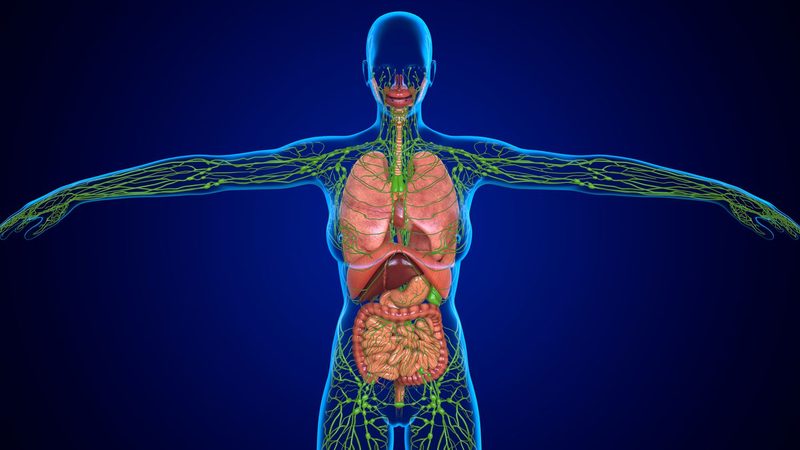
The lymphatic system is a complex network that contributes significantly to both immune function and fluid homeostasis. It was first described in detail by the Italian anatomist Gasparo Aselli in the 17th century. The system includes lymph nodes, lymphatic vessels, and major organs like the spleen and thymus, all of which play pivotal roles in filtering lymph and producing immune cells.
History of the Lymphatic System
Historically, the lymphatic system remained largely unrecognized until the late 18th century. The British surgeon William Hunter made significant contributions by mapping the lymphatic pathways in humans. His work laid the foundation for further studies by anatomists in the 19th century, such as Rudolf Virchow, who linked lymphatics to disease processes, notably in cancer metastasis.
Structure and Function
The lymphatic system consists of an extensive network of lymphatic vessels that transport lymph fluid, containing white blood cells and waste products, throughout the body. Lymph nodes act as filters, trapping pathogens and facilitating immune responses. Additionally, the system is integral to the absorption of fats from the digestive tract through specialized vessels called lacteals.
Role in Immunity
The lymphatic system plays a crucial role in the body's immune defense. It transports lymphocytes and other immune cells to sites of infection or inflammation. The activation of B-cells and T-cells occurs in the lymph nodes, where they can proliferate and mount an effective immune response. This system not only helps in fighting infections but also in monitoring and preventing the development of tumors.
Challenge yourself with this quiz to see how much you know about the lymphatic system! It covers its history, structure, and vital functions that keep our bodies healthy.
 Multiple Choice
No comments yet. Be the first!