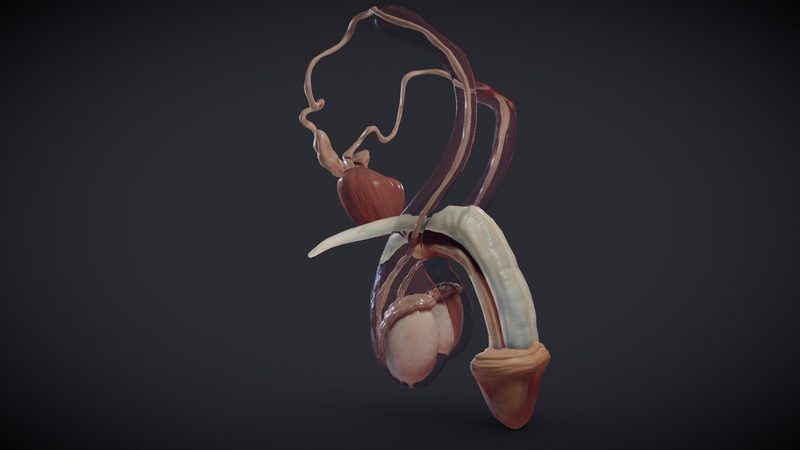
The male reproductive system consists of various organs responsible for producing sperm and hormones that regulate male reproductive functions. It includes the testes, vas deferens, prostate gland, and penis. Historically, the understanding of this system has evolved significantly, with notable contributions from figures like Andreas Vesalius in the 16th century, who challenged existing anatomical knowledge through detailed dissections.
History of Male Reproductive Anatomy
The exploration of male reproductive anatomy dates back to ancient civilizations, where scholars like Hippocrates and Aristotle made early observations. However, it was Vesalius in 1543 who published De humani corporis fabrica, revolutionizing the study of human anatomy. This work laid the groundwork for modern anatomy and highlighted the importance of the male reproductive organs, providing insight into their structure and function.
Key Functions of the Male Reproductive System
The primary function of the male reproductive system is to produce and deliver sperm for fertilization. The testes produce sperm and hormones such as testosterone, which are vital for the development of male characteristics. The sperm travel through the vas deferens, where they mix with seminal fluid from the seminal vesicles and prostate gland, forming semen that is ejaculated during intercourse.
Common Disorders
Various disorders can affect the male reproductive system, including erectile dysfunction, infertility, and prostate cancer. Understanding these conditions is crucial, as they can significantly impact a man's reproductive health and overall well-being. Regular check-ups and awareness of symptoms can lead to early detection and treatment.
Now that you've learned about the fascinating male reproductive system, challenge yourself with our quiz to see how much you truly know about its anatomy, functions, and history!
 Multiple Choice
No comments yet. Be the first!