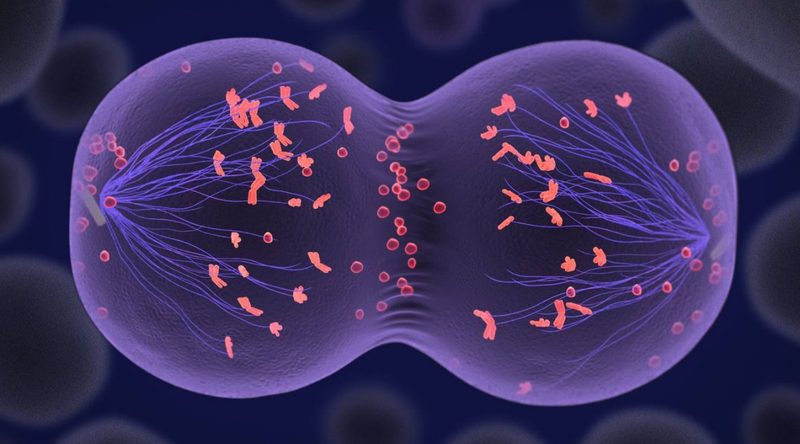
Mitosis and meiosis are two fundamental processes of cell division that play crucial roles in the life cycle of organisms. Mitosis, first described by Walther Flemming in 1882, is responsible for somatic cell division, generating two identical daughter cells. In contrast, meiosis, discovered later by scientists like Emil von Beneden in the late 19th century, is specialized for the production of gametes, leading to genetic diversity. Understanding the differences between these two processes is key to grasping concepts in genetics and biology.
History of Cell Division Research
The study of cell division began in earnest in the 19th century, with early observations made by scientists such as Robert Brown and Rudolf Virchow. In 1855, Virchow famously stated “Omnis cellula e cellula,” meaning all cells arise from pre-existing cells. This observation laid the groundwork for understanding both mitosis and meiosis. In the late 1800s, Walther Flemming’s work on chromatin led to the identification of the stages of mitosis, while Emil von Beneden's research revealed the complexities of meiosis, including the significance of crossing over.
Key Differences Between Mitosis and Meiosis
While both mitosis and meiosis are processes of cell division, they serve different purposes. Mitosis results in two diploid daughter cells that are genetically identical to the parent cell, crucial for growth and tissue repair. Meiosis, however, produces four haploid gametes, each genetically distinct due to processes like independent assortment and recombination. This genetic variation is essential for evolution and adaptation in changing environments. Understanding these differences is vital for students and professionals in the fields of biology and medicine.
Significance of Mitosis and Meiosis in Evolution
The evolutionary implications of mitosis and meiosis are profound. Mitosis allows for organisms to grow and repair tissues, which is vital for survival. In contrast, meiosis introduces genetic variation through sexual reproduction, a key driver of evolution. This genetic diversity is crucial for populations to adapt to environmental changes and resist diseases. For instance, the variation generated during meiosis can lead to new traits that may confer advantages in survival and reproduction.
Ready to challenge your knowledge on the differences and significance of mitosis and meiosis? This quiz covers everything from basic definitions to intricate details about cell division processes!
 Multiple Choice
No comments yet. Be the first!