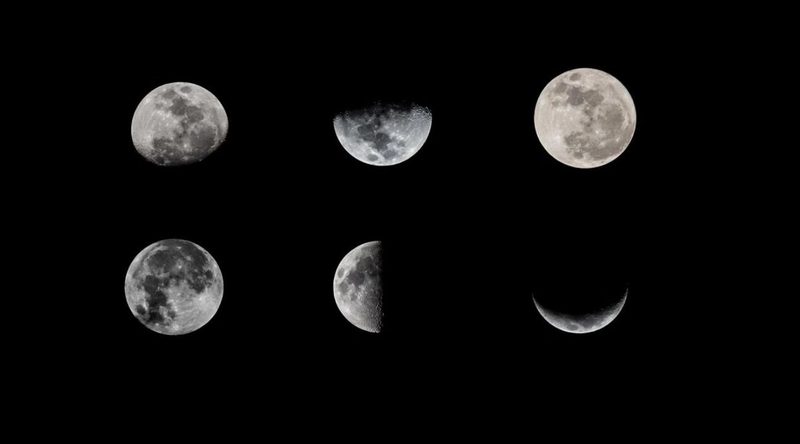
The Moon's phases are a captivating aspect of astronomy, reflecting the changing positions of the Earth, Moon, and Sun. Each phase—New Moon, Waxing Crescent, First Quarter, Waxing Gibbous, Full Moon, Waning Gibbous, Last Quarter, and Waning Crescent—represents a distinct appearance of the Moon as seen from Earth. The cycle takes approximately 29.5 days, known as a lunation, and has been observed since ancient times. Notable figures like Galileo Galilei contributed significantly to our understanding of the Moon's surface in the early 17th century.
History of Lunar Observation
Early civilizations paid close attention to the Moon, often associating its phases with agricultural cycles and religious events. The Babylonians were among the first to develop a lunar calendar around 2000 BCE, marking important dates based on the Moon's phases. By the time of the Greeks, astronomers like Aristarchus of Samos and later Hipparchus made significant advancements in understanding the relationships between the Sun, Earth, and Moon, laying the groundwork for modern astronomy.
Scientific Understanding of Moon Phases
In the 17th century, the invention of the telescope revolutionized lunar observation. Galileo was the first to document the Moon's surface features, including craters and mountains, challenging the notion of celestial perfection. The understanding of how the Moon reflects sunlight led to the classification of its phases based on the Earth-Moon-Sun geometry. The eclipse of 1919 further validated Einstein's theory of general relativity, demonstrating how the Moon's path can influence our perception of space and time.
Ready to put your knowledge of the Moon phases to the test? This quiz covers a range of topics including lunar history, scientific discoveries, and the significance of lunar cycles in our lives.
 Multiple Choice
No comments yet. Be the first!