Magnetic Resonance Imaging, or MRI, is a medical imaging technique that employs strong magnetic fields and radio waves to generate detailed images of the organs and tissues within the body. Developed in the early 1970s, MRI has transformed the field of medical diagnostics, allowing for non-invasive examination of various conditions, particularly in neurology and orthopedics. The first clinical MRI scanner was installed in 1980, marking a significant milestone in healthcare technology.
History of MRI
The history of MRI can be traced back to the 1970s, when physicist Dr. Raymond Damadian first demonstrated the potential of using nuclear magnetic resonance (NMR) for medical imaging. His pioneering work led to the development of the first full-body MRI scanner, which was used clinically starting in 1980. The technology gained further recognition in 2003, when a Nobel Prize in Physiology or Medicine was awarded to Paul Lauterbur and Peter Mansfield for their contributions to the development of MRI techniques.
How MRI Works
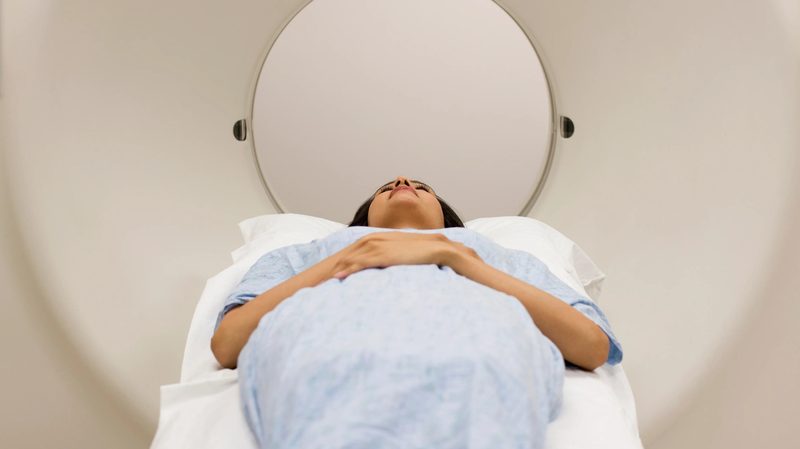
MRIs utilize powerful magnets, typically 1.5 to 3 Tesla, to create a magnetic field around the patient. When a patient is positioned inside the MRI machine, hydrogen atoms in the body align with this magnetic field. Radiofrequency pulses are then applied, causing these atoms to emit signals that are detected and converted into images by a computer. This process allows radiologists to observe structural abnormalities without the use of ionizing radiation, making MRI a safer alternative to X-rays and CT scans.
Applications of MRI
MRI is widely used in various medical fields, particularly in diagnosing conditions related to the brain, spine, joints, and soft tissues. It plays a crucial role in identifying tumors, brain disorders, and joint injuries. Moreover, advancements in MRI technology have led to the development of functional MRI (fMRI), which measures brain activity by detecting changes in blood flow, providing insights into cognitive processes and neurological disorders.
Ready to challenge your understanding of MRI technology? This quiz covers the evolution, functionality, and applications of MRI, testing your knowledge of a vital tool in modern medicine.
 Multiple Choice
No comments yet. Be the first!