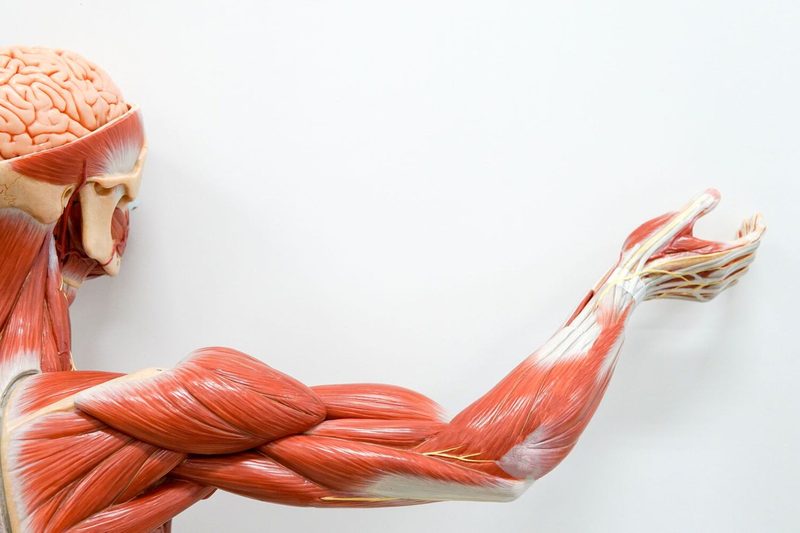
Muscles are fascinating biological structures that enable movement, maintain posture, and produce heat through contraction. The human body contains over 600 muscles, which are categorized into three types: skeletal, smooth, and cardiac. Skeletal muscles, which are under voluntary control, are pivotal for locomotion and are connected to bones via tendons. Smooth muscles, found in internal organs, operate involuntarily, while cardiac muscle makes up the heart and is responsible for pumping blood.
History of Muscle Research
The study of muscles has a rich history, with early investigations dating back to ancient Greece. Notable figures, such as Galen in the 2nd century AD, contributed significantly to our understanding of muscular anatomy and function. However, it was in the 19th century that Claude Bernard revolutionized muscle physiology by introducing the concept of muscle metabolism, linking muscle function to energy consumption and oxygen use.
Types of Muscle Tissue
Muscle tissue is classified into three distinct types, each serving unique functions. Skeletal muscle is striated and voluntary, enabling conscious movement, whereas smooth muscle is non-striated and involuntary, regulating internal processes like digestion. Cardiac muscle, found exclusively in the heart, shares characteristics with both skeletal and smooth muscles, facilitating rhythmic contractions essential for blood circulation.
Understanding muscle structure and function is crucial for various fields, from medicine to athletics. Challenge yourself with this quiz that covers muscle types, history, and key figures in muscle research!
 Multiple Choice
No comments yet. Be the first!