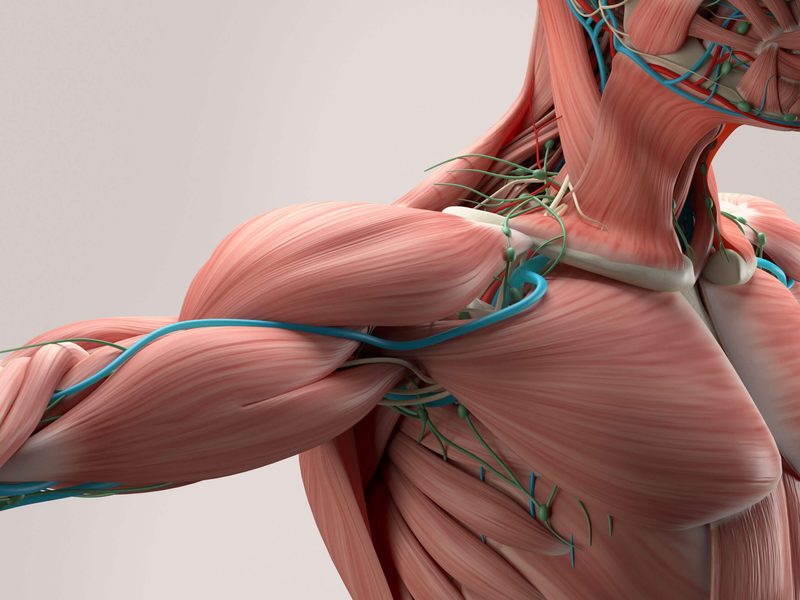
The muscular system is an essential component of human anatomy, responsible for facilitating movement and maintaining posture. Comprising over 600 distinct muscles, it plays a vital role in daily activities and overall health. The system is categorized into three types: skeletal, smooth, and cardiac muscles, each with unique functions and control mechanisms. Notable figures in the study of muscles include Anders Celsius, known for his work in muscle physiology in the 18th century.
History of Muscle Physiology
The understanding of muscle physiology has evolved significantly since ancient times. Early studies by Hippocrates and Galen laid the groundwork for future research, but it wasn't until the 19th century that significant advancements were made. In 1838, Matthias Schleiden and Theodor Schwann proposed the cell theory, which included insights into muscle cells. This paved the way for distinguished researchers like August Krogh, who explored how muscles utilize oxygen during contraction, earning him the Nobel Prize in 1920.
Types of Muscles
The muscular system consists of three primary types: skeletal, smooth, and cardiac muscles. Skeletal muscles, which are under voluntary control, enable body movements like walking and lifting. Smooth muscles, found in organs like the intestines, function involuntarily to regulate internal processes. Cardiac muscle, exclusive to the heart, contracts rhythmically to pump blood throughout the body. Each muscle type plays a crucial role in maintaining homeostasis and facilitating bodily functions.
Ready to test your knowledge about the muscular system? This quiz covers everything from muscle types to historical milestones. See how many questions you can answer correctly!
 Multiple Choice
No comments yet. Be the first!