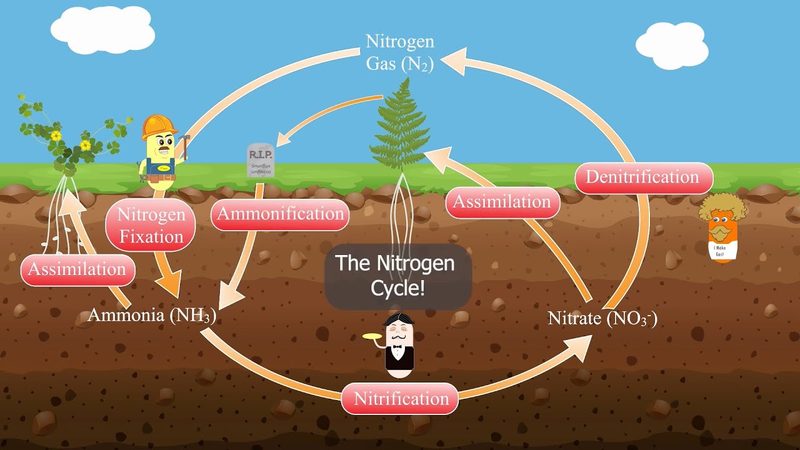
The Nitrogen Cycle is an essential ecological process that describes the conversion of nitrogen in various forms through the environment. It plays a vital role in agriculture, as nitrogen is a key nutrient for plants. The cycle includes processes like nitrogen fixation, nitrification, and denitrification, which not only support plant growth but also help in maintaining soil fertility. Significant advancements in understanding this cycle were made in the early 20th century, particularly through the work of chemists like Fritz Haber and Carl Bosch, who developed methods to synthesize ammonia from nitrogen gas, revolutionizing fertilizer production.
History of Nitrogen Understanding
The understanding of the nitrogen cycle has evolved significantly over time. In the late 19th century, scientists recognized the importance of nitrogen in plant growth, leading to the discovery of nitrogen-fixing bacteria. In 1909, Fritz Haber developed the Haber-Bosch process, enabling large-scale synthesis of ammonia, which became a cornerstone for modern fertilizers. This process not only increased agricultural productivity but also raised awareness about the nitrogen cycle's impact on ecosystems. By the mid-20th century, further research highlighted the cycle's role in environmental sustainability.
Key Processes in the Nitrogen Cycle
The nitrogen cycle consists of several key processes that transform nitrogen in the environment. Nitrogen fixation is the first step, where atmospheric nitrogen (N2) is converted into ammonia (NH3) by bacteria or through industrial processes. Next, during nitrification, ammonia is oxidized to nitrites (NO2-) and then to nitrates (NO3-), which are readily absorbed by plants. Finally, denitrification returns nitrogen to the atmosphere, closing the cycle. Each of these processes is crucial for maintaining the balance of nitrogen in ecosystems.
Are you ready to challenge yourself? This quiz covers key aspects of the nitrogen cycle, testing your knowledge on its history, processes, and significance in our environment.
 Multiple Choice
No comments yet. Be the first!