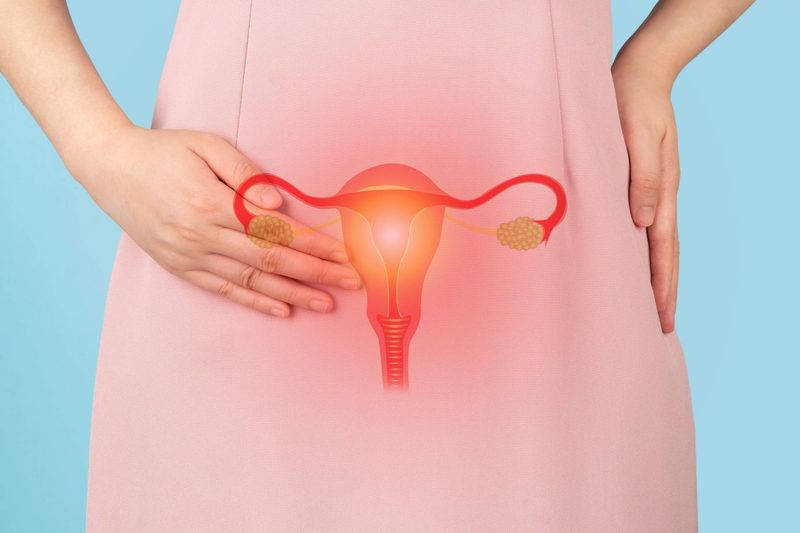
Ovulation is a key event in the reproductive cycle of females, where a mature egg is released from the ovary, generally around day 14 of a typical 28-day menstrual cycle. This process is regulated by hormonal changes, primarily involving luteinizing hormone (LH) and follicle-stimulating hormone (FSH). The understanding of ovulation has evolved significantly, especially since the early 20th century when scientists like Georgeanna Seegar Jones and John Rock pioneered research that led to the development of the first hormonal contraceptives.
The Physiology of Ovulation
The physiological process of ovulation is triggered by a surge in luteinizing hormone, which causes the follicle to release a mature egg. This event typically occurs midway through the menstrual cycle, although it can vary greatly among women. The lifespan of the egg post-ovulation is about 12 to 24 hours, providing a narrow window for fertilization. Understanding this timing is crucial for those trying to conceive or avoid pregnancy, and it highlights the delicate balance of hormones that governs female fertility.
Ovulation and Fertility
Ovulation plays a pivotal role in fertility, as it represents the time when a woman is most likely to conceive. Factors such as age, stress, and lifestyle can significantly influence ovulation. For instance, women in their 20s and early 30s generally experience more regular cycles compared to those in their late 30s and 40s. Additionally, medical conditions like polycystic ovary syndrome (PCOS) can disrupt normal ovulation patterns, leading to difficulties in conceiving.
Tracking Ovulation
Many women track their ovulation cycles using methods such as ovulation predictor kits, basal body temperature charting, or monitoring changes in cervical mucus. These methods help pinpoint the fertile window. The advancement of technology has also introduced mobile apps that assist women in tracking their cycles more effectively, highlighting the importance of awareness in reproductive health.
This quiz covers everything from the biological processes behind ovulation to its impact on fertility. Test your knowledge and see how well you understand this vital aspect of human reproduction!
 Multiple Choice
No comments yet. Be the first!