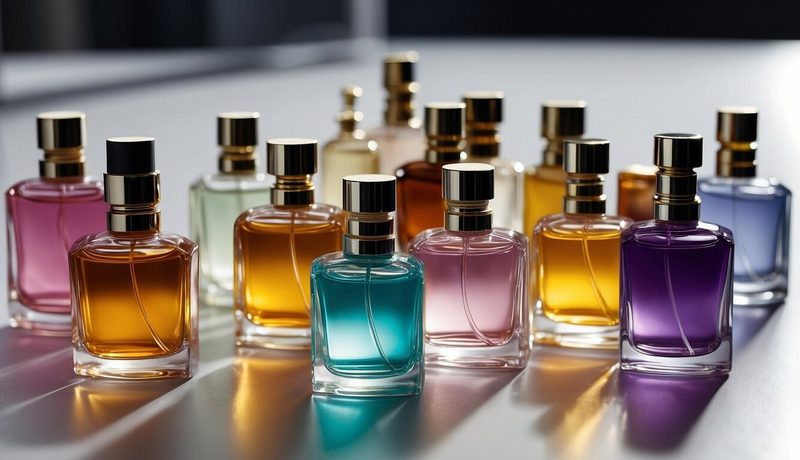
The art of perfume making has a long and storied history, dating back to ancient civilizations such as the Egyptians, who used fragrant oils in religious rituals and to embalm the dead. The word 'perfume' comes from the Latin phrase 'per fumum,' which means 'through smoke,' reflecting its origins in incense burning. Throughout history, notable figures like Coco Chanel have transformed the fragrance industry, making it a staple of personal expression.
History of Perfume
The use of fragrance dates back to 4000 B.C. in ancient Mesopotamia where perfumes were made from natural materials like myrrh and frankincense. The Egyptians further advanced this craft, creating elaborate methods for extracting scents from plants. In the Middle Ages, perfume became a symbol of wealth and status, especially among European royalty who favored floral and spice-based scents. By the 19th century, the advent of modern chemistry allowed for synthetic perfumes, expanding the range of available fragrances.
Key Figures in Perfume
Throughout history, several key figures have shaped the perfume industry. Coco Chanel, with her iconic Chanel No. 5 launched in 1921, not only set a standard for luxury fragrances but also changed how women viewed perfume. Christian Dior followed suit with his line, showcasing how scent could evoke emotion and fashion. Other influential figures include Jean Patou and Giorgio Armani, who have each left a lasting legacy through their innovative fragrances.
Modern Trends in Perfume
Today, the world of perfume is more diverse than ever, with niche brands emerging to challenge traditional luxury houses. Sustainability has also become a key focus, with many brands using eco-friendly sourcing and packaging to appeal to environmentally conscious consumers. The rise of gender-neutral fragrances reflects a broader cultural shift towards inclusivity in beauty.
Now that you know some fascinating facts about perfume, challenge yourself with this quiz that covers everything from its rich history to its modern trends!
 Multiple Choice
No comments yet. Be the first!