Physical and chemical changes are two distinct processes that describe how substances transform. A physical change alters a substance's form but not its chemical composition, while a chemical change results in the formation of new substances. This fundamental concept was significantly advanced by scientists such as Antoine Lavoisier in the late 1700s, who is often referred to as the father of modern chemistry. Understanding these changes is essential for fields ranging from chemistry to environmental science.
History of Physical and Chemical Changes
The study of physical and chemical changes dates back to ancient civilizations, but it was during the 18th century that significant breakthroughs occurred. Antoine Lavoisier, who famously stated that matter cannot be created or destroyed, laid the groundwork for understanding chemical reactions. His work helped distinguish between physical and chemical changes, as he systematically categorized substances and their transformations. This period marked the beginning of modern chemistry, reshaping how scientists viewed matter.
Examples of Physical Changes
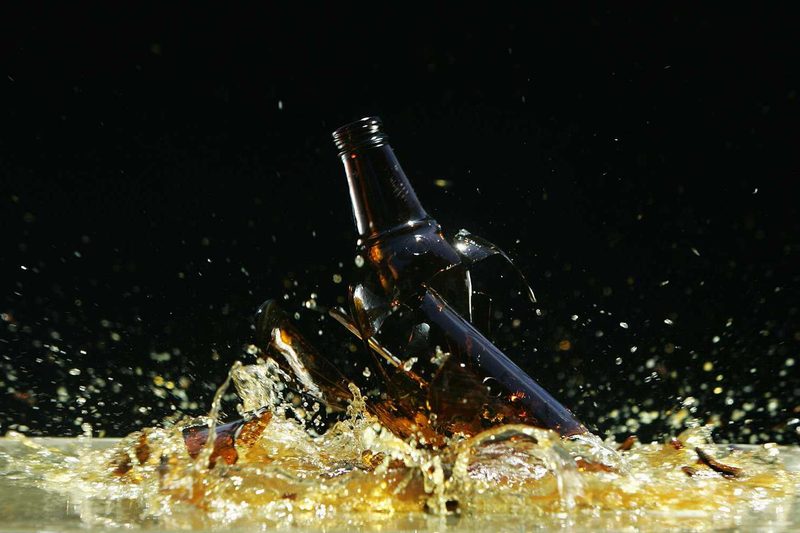
Physical changes occur when a substance undergoes a transformation that does not alter its chemical identity. Common examples include melting, freezing, and evaporation. When ice melts into water, it remains H2O, just in a different state. Other examples include dissolving sugar in water or breaking a glass. These changes are usually reversible, making them a key focus in everyday science.
Examples of Chemical Changes
In contrast, chemical changes involve the formation of new substances and are often irreversible. A classic example is the rusting of iron, where iron reacts with oxygen to form iron oxide. Other examples include burning wood, which transforms it into ash and gases, and the souring of milk, where bacterial action produces new substances. Identifying chemical changes is crucial for understanding reactions in various scientific fields, including biology and environmental science.
Are you ready to challenge yourself? This quiz will cover a range of questions about the distinctions, examples, and historical context of physical and chemical changes. Let's see how well you can score!
 Multiple Choice
No comments yet. Be the first!