The Punnett Square, introduced by British geneticist Reginald Punnett in 1905, is an essential tool in the study of genetics. It allows biologists to visualize the potential genetic combinations of offspring based on the alleles contributed by each parent. This method has been pivotal in understanding Mendelian inheritance, which describes how traits are passed down through generations. Punnett's work laid the groundwork for modern genetics, giving researchers a clearer picture of heredity.
History of the Punnett Square
The Punnett Square was developed as a graphical representation to simplify the process of predicting genotype ratios in offspring. Gregor Mendel, often called the father of genetics, laid the foundation for this work with his experiments on pea plants in the 1860s, elucidating how traits are inherited. However, it wasn't until Punnett's publication in 1905 that these concepts were visually represented in a square format, making it easier for students and scientists alike to determine probability outcomes of genetic crosses.
How the Punnett Square Works
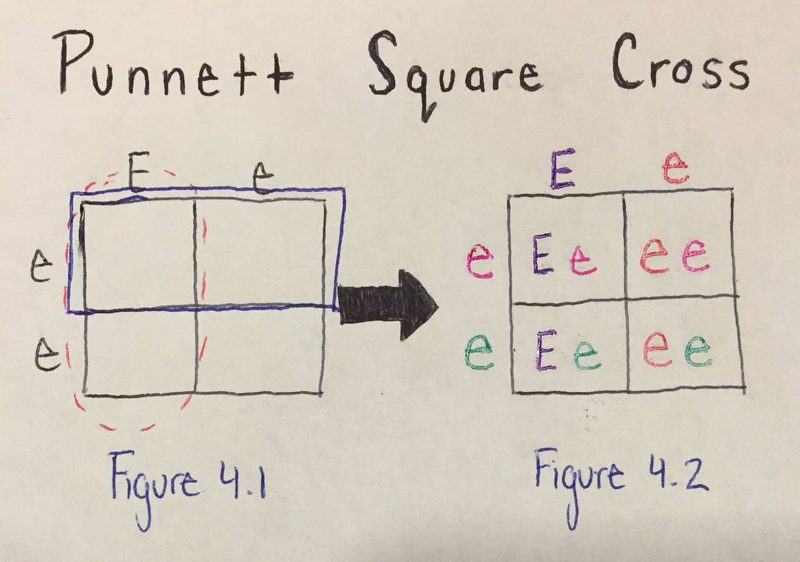
The Punnett Square operates on the principle of alleles, which are different forms of a gene. Each parent contributes one allele for each trait, and these combinations can be displayed in a grid format. For example, in a monohybrid cross, a 2x2 square can represent the possible combinations of alleles from two parents, allowing one to calculate the expected ratios of dominant and recessive traits. This simple yet effective tool has become a staple in genetics education.
Applications of the Punnett Square
The applications of the Punnett Square extend beyond academic settings. It is used in fields such as agriculture, where breeders apply these principles to produce desired traits in crops and livestock. Additionally, in medicine, it helps genetic counselors assess the risk of inherited diseases by predicting the likelihood of certain genotypes in offspring. Understanding these probabilities can guide families in making informed healthcare decisions.
Get ready to challenge yourself with our quiz covering various aspects of the Punnett Square, from its history to its applications in real-world scenarios. Test your understanding of this crucial concept in genetics!
 Multiple Choice
No comments yet. Be the first!