Road signs have a rich history that dates back to ancient times, serving as vital tools for navigation and communication. The Romans were among the first to use milestones to guide travelers, and over the centuries, various cultures developed their own systems of signage. In the 20th century, standardization became a priority, especially with the advent of automobiles. The Manual on Uniform Traffic Control Devices (MUTCD), first published in 1935, laid the groundwork for the modern road signage system we recognize today.
The Evolution of Road Signs
The evolution of road signs reflects societal changes and advancements in technology. Early signs were often made of wood or stone, displaying basic messages. As the automotive industry grew, the need for clearer and more efficient signage became apparent. In 1926, the U.S. adopted a standardized system that included shapes and colors to convey specific meanings, such as red for stop and green for go. This initiative aimed to reduce accidents and improve traffic flow, making roads safer for everyone.
International Road Sign Standards
Globally, road sign standards vary, but many countries have adopted similar symbols to ensure consistency for international travelers. The Vienna Convention on Road Signs and Signals, established in 1968, aimed to create a unified set of standards across participating countries. This convention led to the use of recognizable symbols, such as the triangular yield sign and the circular speed limit sign, enhancing safety and understanding for drivers worldwide.
Understanding Sign Shapes and Colors
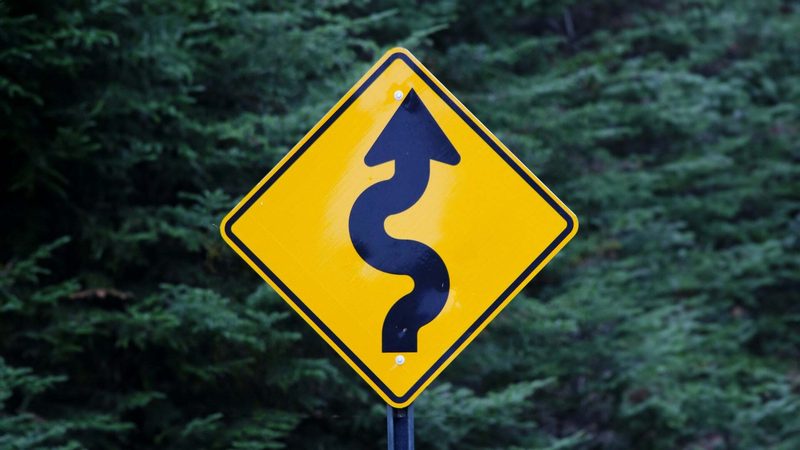
Each shape and color of a road sign conveys specific messages to drivers. For instance, circular signs typically indicate regulatory messages, while triangular signs warn of potential hazards. The use of bright colors, such as yellow for caution and blue for informational signs, helps enhance visibility and comprehension, especially in adverse weather conditions. Recognizing these patterns is essential for safe driving.
Ready to put your knowledge of road signs to the test? This quiz will challenge your understanding of road sign history, shapes, and meanings!
 Multiple Choice
No comments yet. Be the first!