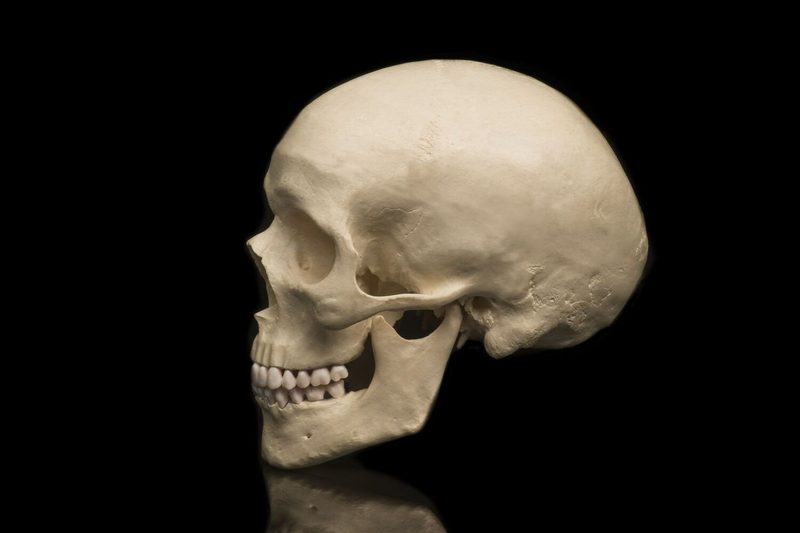
The human skull is a complex structure made up of 22 bones that serve as a protective casing for the brain and form the shape of the face. Among the most notable features of the skull are the cranial and facial bones, with the average adult skull weighing about 1,500 grams. The study of skulls has provided insights into human evolution, health, and even social status, with anthropologists like Paul Broca making significant contributions in the 19th century.
History of Cranial Anatomy
The exploration of skull anatomy dates back to ancient civilizations, where the study of skulls was integral to medicine and anthropology. In the 19th century, the field of craniometry emerged, with researchers like Franz Joseph Gall proposing that the shape of the skull could reveal personality traits. This controversial practice laid the groundwork for modern cranial studies, linking skull morphology to various biological and social factors.
Key Bones of the Skull
The skull is comprised of two main parts: the cranial bones and the facial bones. The cranial bones include eight individual bones: the frontal, parietal, temporal, occipital, sphenoid, and ethmoid bones. The facial bones consist of 14 bones, including the maxilla, mandible, and nasal bones, which shape the face and support sensory organs. Together, these bones create a complex structure essential for protection and function.
Skull Variations Across Species
Skulls vary significantly across species, providing insights into evolutionary adaptations. For instance, the skull of a homo sapiens is distinct from that of a Neanderthal, showcasing differences in brain size and facial structure. These variations reflect dietary changes, environmental adaptations, and social behaviors, highlighting the significance of the skull in understanding evolutionary biology.
Are you ready to challenge yourself? This quiz covers the anatomy, history, and variations of skull bones, testing your knowledge on a unique aspect of human biology.
 Multiple Choice
No comments yet. Be the first!