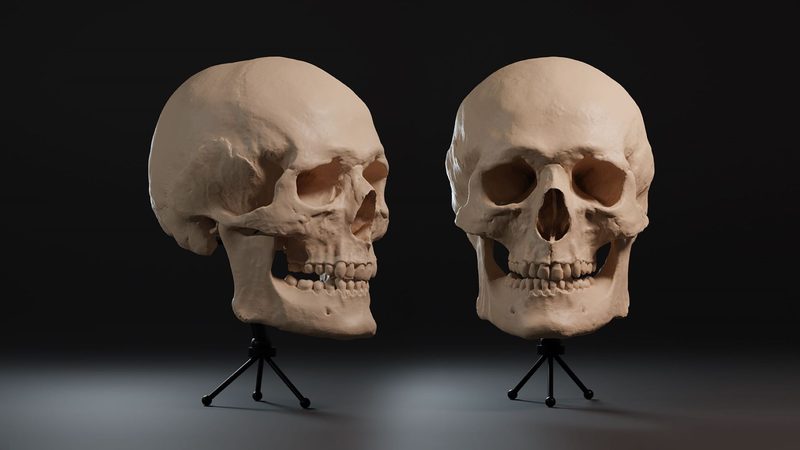
Skull sutures are specialized fibrous joints that connect the bones of the skull. They allow for flexibility during birth and accommodate the growth of the brain during early development. The primary sutures include the coronal, sagittal, and lambdoid sutures, which together form a protective barrier for the brain. Notably, sutures begin to fuse in early adulthood, typically around the age of 30, marking a significant change in cranial structure.
History of Skull Sutures
The study of skull sutures dates back to ancient civilizations, with notable contributions from figures like Hippocrates and Galen. Their observations laid the groundwork for understanding cranial anatomy. In the 19th century, advancements in imaging techniques, such as X-rays, allowed for detailed studies of suture fusion patterns. In 1931, Dr. J. H. P. Sutherland published a significant paper examining the implications of suture fusion on cranial deformities.
Function and Development
Skull sutures serve multiple functions including providing structural integrity and facilitating brain growth. During infancy, the sutures remain flexible, allowing the skull to expand as the brain develops. This process is critical for cognitive development, as a rigid skull could restrict brain growth and lead to serious complications. Anomalies in suture formation can lead to conditions like craniosynostosis, where one or more sutures fuse prematurely, resulting in abnormal head shapes.
Clinical Significance
Understanding skull sutures has significant clinical implications. Conditions linked to abnormal suture fusion can affect cognitive and physical development. Pediatric neurosurgeons often perform surgical interventions to correct these abnormalities, ensuring the skull can accommodate normal brain growth. Knowledge of sutural anatomy is also crucial for diagnosing traumatic injuries to the skull.
Ready to test your knowledge on skull sutures? This quiz will challenge your understanding of their history, function, and clinical relevance.
 Multiple Choice
No comments yet. Be the first!