The spinal cord is a crucial part of the central nervous system, extending from the base of the brain to the lower back. Comprised of approximately 31 segments, it houses millions of nerve fibers that relay signals between the brain and the rest of the body. The spinal cord not only facilitates voluntary movements but also plays a key role in reflex actions, highlighting its significance in both health and disease. Notable figures such as Santiago Ramón y Cajal, a pioneer in neuroanatomy, made groundbreaking discoveries that laid the foundation for our understanding of spinal cord function.
History of Spinal Cord Research
The study of the spinal cord dates back centuries, with early investigations by Galen in ancient Rome, who theorized about its role in the nervous system. However, it wasn't until the late 19th century that significant advances were made. Paul Broca and others refined the understanding of spinal anatomy and function. In 1906, Ramón y Cajal's work on the neuron doctrine provided critical insights into the cellular structure of the spinal cord, revolutionizing neuroscience and paving the way for future research into spinal cord injuries and diseases.
Function and Anatomy
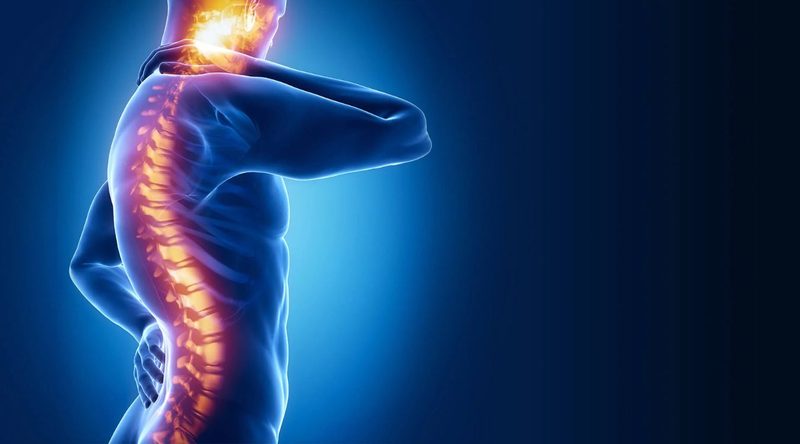
The spinal cord is segmented into different regions: cervical, thoracic, lumbar, sacral, and coccygeal. Each segment corresponds to specific body areas and is responsible for transmitting sensory and motor information. The cervical region controls movements and sensations in the arms and hands, while the lumbar region is involved with the lower limbs. The spinal cord is protected by the vertebral column and is surrounded by cerebrospinal fluid, which cushions it from injury.
Spinal Cord Injuries and Disorders
Injuries to the spinal cord can lead to devastating consequences, including paralysis and loss of sensation. Conditions such as spinal stenosis, herniated discs, and multiple sclerosis can also affect spinal cord function. Ongoing research aims to develop therapies to repair spinal cord damage, including stem cell therapy and neuroprosthetics, which hold promise for improving the quality of life for those affected by spinal cord injuries.
Ready to challenge yourself? This quiz delves into the anatomy, history, and significance of the spinal cord. See how well you understand this essential part of the human body!
 Multiple Choice
No comments yet. Be the first!