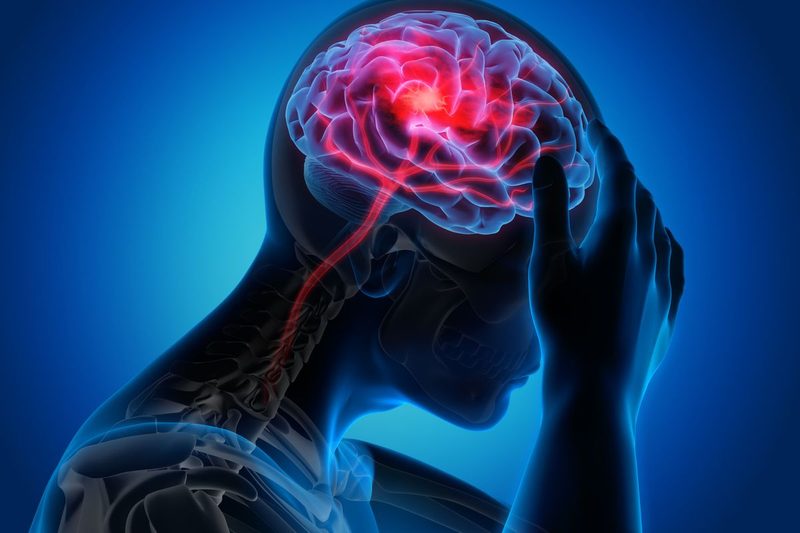
A stroke occurs when the blood supply to a part of the brain is interrupted or reduced, preventing brain tissue from getting oxygen and nutrients. There are two main types of strokes: ischemic, which accounts for about 87% of all strokes, and hemorrhagic, caused by bleeding in or around the brain. The American Stroke Association emphasizes the importance of recognizing the signs and symptoms of stroke, which can lead to faster treatment and better outcomes.
History of Stroke Research
The understanding of stroke has evolved significantly over the centuries. In the 19th century, Jean-Martin Charcot was pivotal in formalizing stroke as a medical condition. His studies laid the groundwork for later research, including the identification of risk factors such as hypertension and diabetes. In 1995, the National Institutes of Health launched the National Stroke Study, which further revolutionized treatment protocols and preventive measures.
Symptoms and Warning Signs
Recognizing stroke symptoms is crucial for effective intervention. The acronym FAST helps identify the signs: Face drooping, Arm weakness, Speech difficulties, and Time to call emergency services. These symptoms manifest due to the rapid onset of brain damage, underscoring the need for immediate medical attention. The quicker a stroke is detected and treated, the better the chances of recovery.
Preventative Measures
Preventing a stroke involves addressing various risk factors. Lifestyle changes such as maintaining a healthy diet, exercising regularly, and avoiding tobacco can significantly reduce the likelihood of a stroke. Additionally, managing conditions like high blood pressure and diabetes through medication and regular check-ups is vital. The American Heart Association recommends regular health screenings to detect and mitigate these risks.
This quiz will cover crucial aspects of stroke, including its history, symptoms, and prevention strategies. Test your knowledge and see how well you understand this life-threatening condition!
 Multiple Choice
No comments yet. Be the first!