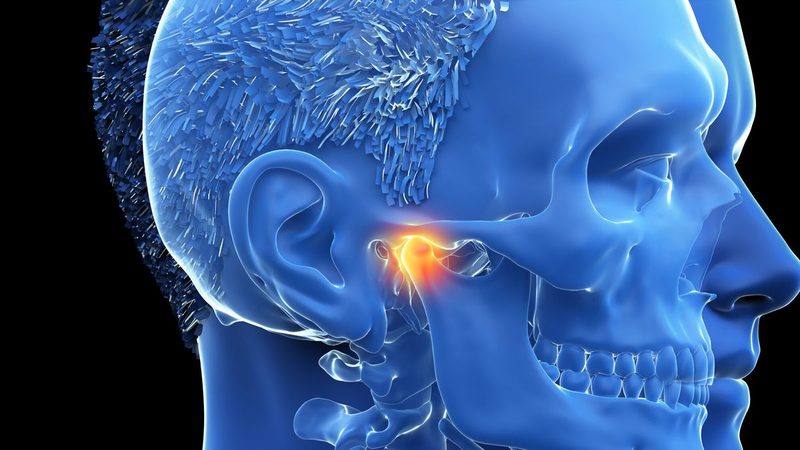
The temporomandibular joint (TMJ) is a unique anatomical structure that plays a crucial role in the function of the jaw. It connects the mandible (lower jaw) to the temporal bone of the skull, allowing for movement necessary for eating, speaking, and other daily activities. TMJ disorders can cause pain, discomfort, and complications for millions worldwide, with famous personalities like Demi Moore and LeAnn Rimes publicly sharing their experiences with these conditions. Understanding TMJ's complexities can shed light on its significance in human physiology.
History of TMJ Disorders
The study of TMJ disorders began gaining traction in the early 1900s when pioneering researchers like Dr. William F. McCollum started documenting cases of jaw pain and dysfunction. By the 1930s, the term "TMJ" was introduced to describe this specific joint and its related issues. Over the decades, advancements in medical imaging and treatment options have evolved, significantly enhancing patient outcomes. Today, TMJ disorders are recognized as multifaceted conditions influenced by factors such as stress, bite alignment, and even genetics.
Symptoms and Diagnosis
TMJ disorders can manifest through various symptoms, including persistent jaw pain, headaches, and difficulty opening or closing the mouth. Patients may also experience clicking or popping sounds in the jaw during movement. Diagnosis typically involves a thorough medical history, physical examination, and imaging studies such as X-rays or MRIs. Healthcare professionals may also assess the patient's bite and jaw alignment to determine the best course of treatment.
Treatment Options
Management of TMJ disorders can vary widely depending on the severity of the condition. Conservative treatments often include physical therapy, splints, or medication to relieve pain and improve function. In more severe cases, surgical options may be considered, such as arthroscopy or joint replacement. Recent approaches also explore the role of stress management techniques, highlighting the importance of a holistic view in treatment protocols.
Ready to put your knowledge of TMJ disorders to the test? This quiz covers various aspects of TMJ, from its history to treatment options. See how much you really know!
 Multiple Choice
No comments yet. Be the first!