Tree identification is a fascinating field that combines botany, ecology, and environmental science. With over 60,000 known tree species globally, identifying them can be both challenging and rewarding. Notable botanists such as Carl Linnaeus in the 18th century pioneered the classification of trees, introducing binomial nomenclature that is still used today. Understanding how to identify trees not only enhances our appreciation for nature but also plays a crucial role in conservation efforts.
History of Tree Identification
The practice of tree identification dates back centuries, with ancient cultures relying on trees for food, shelter, and medicine. In 19th century America, the rise of naturalism led to a significant increase in interest regarding the classification of trees. Figures like Henry David Thoreau documented their surroundings meticulously, contributing to early ecological studies. The advent of field guides in the 20th century made tree identification accessible to the general public, fostering a deeper connection with nature.
Key Characteristics of Trees
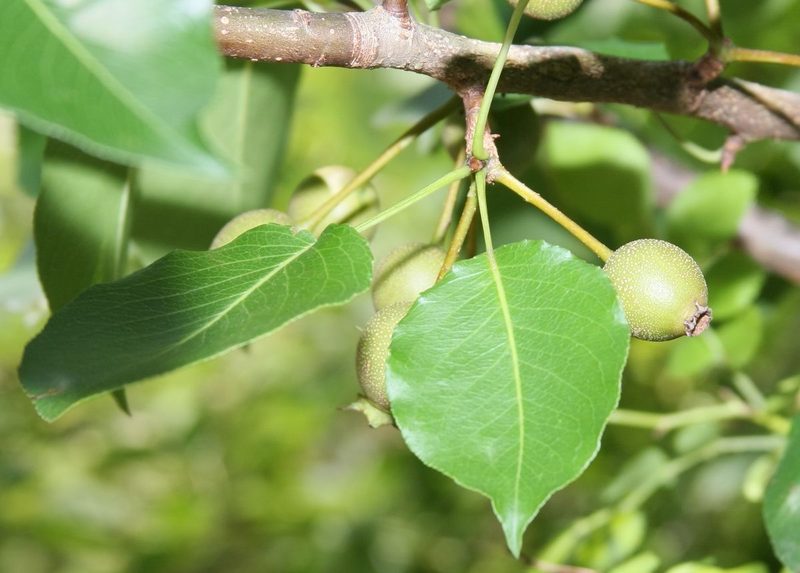
When identifying trees, several characteristics are crucial. The shape of the leaf, the arrangement of the branches, and the type of bark can all offer important clues. For instance, deciduous trees shed their leaves annually, while coniferous trees retain theirs. Additionally, the tree's habitat can often provide context for its identification, with certain species thriving in specific climates and soil types. Understanding these traits can greatly enhance one’s ability to identify trees accurately.
Modern Techniques in Tree Identification
Advancements in technology have introduced new methods for tree identification. Mobile apps now allow users to take pictures of leaves or bark and receive instant identification. This integration of technology into traditional practices is reshaping how we engage with our environment. Furthermore, citizen science projects enable enthusiasts to contribute to data collection, which aids in the conservation of tree species worldwide.
Ready to put your knowledge of trees to the test? This quiz covers various aspects of tree identification, from historical figures to modern techniques. Challenge yourself and see how many questions you can answer correctly!
 Multiple Choice
No comments yet. Be the first!