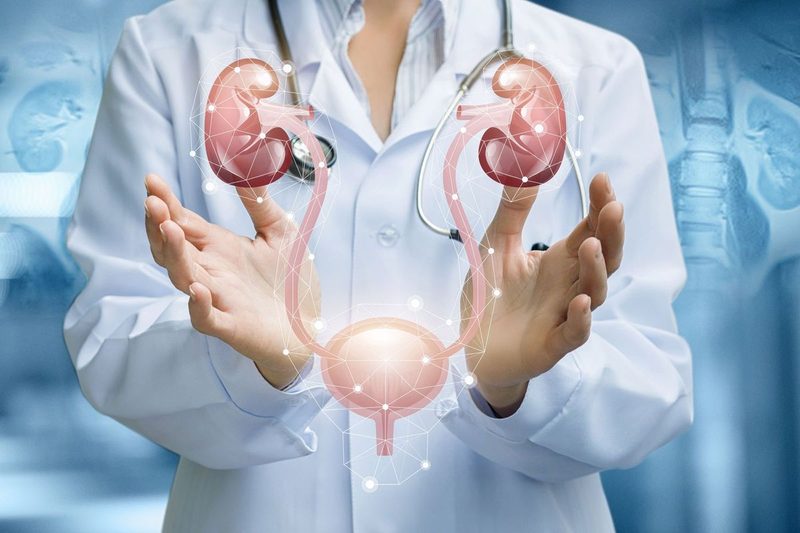
The urinary system, also known as the renal system, is essential for filtering and eliminating waste products from the body. The organs involved include the kidneys, which filter blood to produce urine, and the ureters, bladder, and urethra, which transport and expel urine. This complex system not only regulates fluid balance but also plays a role in electrolyte and acid-base balance, making it vital for overall health.
History of Urinary System Research
Throughout history, the understanding of the urinary system has evolved significantly. In ancient times, figures like Hippocrates and Galen explored the relationship between urine and health, laying the groundwork for future studies. The invention of the microscope in the 17th century led to breakthroughs in understanding kidney structure. Notably, in 1861, Richard Bright identified various kidney diseases, marking a pivotal moment in nephrology.
Functions of the Urinary System
The urinary system performs several critical functions, primarily the excretion of waste products and the regulation of bodily fluids. The kidneys filter approximately 50 gallons of blood daily, removing toxins and excess substances. They also regulate important electrolytes like sodium and potassium. Additionally, the kidneys play a crucial role in blood pressure regulation through the renin-angiotensin system, demonstrating the system's far-reaching effects on overall health.
Common Diseases of the Urinary System
Several common ailments affect the urinary system, including urinary tract infections (UTIs), kidney stones, and chronic kidney disease (CKD). UTIs are among the most prevalent infections, primarily affecting women due to anatomical factors. Kidney stones, formed from crystallized minerals, can cause severe pain and complications. CKD, often a result of diabetes or hypertension, can lead to kidney failure if left untreated, highlighting the importance of early detection and management.
Now that you have a foundational understanding of the urinary system's history, functions, and common diseases, it's time to challenge yourself! This quiz will test your knowledge on various aspects of the urinary system, from its anatomy to its functions. Can you score 10/10?
 Multiple Choice
No comments yet. Be the first!