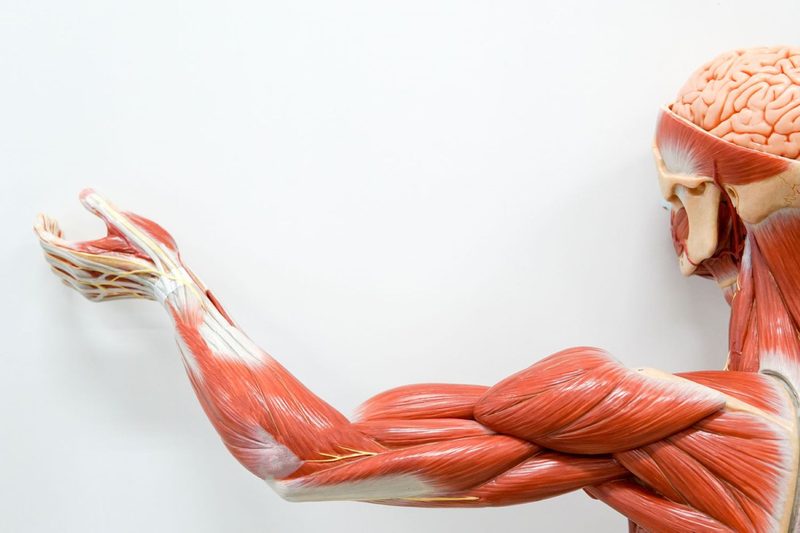
The arm muscles are a critical component of human anatomy, responsible for a plethora of movements ranging from lifting to throwing. The major muscle groups include the biceps, triceps, and forearm muscles, which work in tandem to provide strength and dexterity. Notably, the biceps brachii is known for its peak contraction, a term popularized in fitness circles since the 20th century. Understanding these muscles not only enhances athletic performance but also contributes to rehabilitation and injury prevention.
History of Arm Muscle Study
The study of arm muscles dates back to ancient civilizations. Renowned figures like Hippocrates and Galen made significant contributions to our understanding of muscle anatomy. In the 16th century, Andreas Vesalius revolutionized anatomy with his detailed illustrations, including those of the human arm. His work laid the groundwork for future studies, emphasizing the importance of accurate muscle representation for both medical and athletic applications.
Key Muscle Groups
The primary muscle groups in the arm include the biceps brachii, responsible for flexion at the elbow, and the triceps brachii, which extends the arm. The forearm contains several smaller muscles, including the brachioradialis and flexor carpi radialis, which assist in wrist and hand movements. Together, these muscles allow for intricate tasks such as writing and playing musical instruments, showcasing the arm's versatility.
Importance in Sports and Rehabilitation
Understanding arm muscle function is crucial in both sports and rehabilitation. Athletes rely on strength and flexibility to enhance performance, while physiotherapists utilize knowledge of these muscles to design effective recovery programs. Common injuries, such as tennis elbow, highlight the importance of maintaining arm muscle health. Thus, knowledge about these muscles is essential for anyone interested in fitness or health.
Ready to challenge your understanding of arm muscles? This quiz will test your knowledge on anatomy, function, and historical perspectives of arm muscles.
 Multiple Choice
No comments yet. Be the first!