Flowers are not just beautiful; they are essential for the reproduction of flowering plants. The study of flowers, known as floriculture, dates back to ancient civilizations. For instance, the ancient Egyptians cultivated flowers for use in religious ceremonies and funerals, showcasing their deep connection to nature. In the 19th century, artists like Claude Monet and Vincent van Gogh immortalized flowers in their artwork, influencing how we perceive floral beauty today.
History of Flower Cultivation
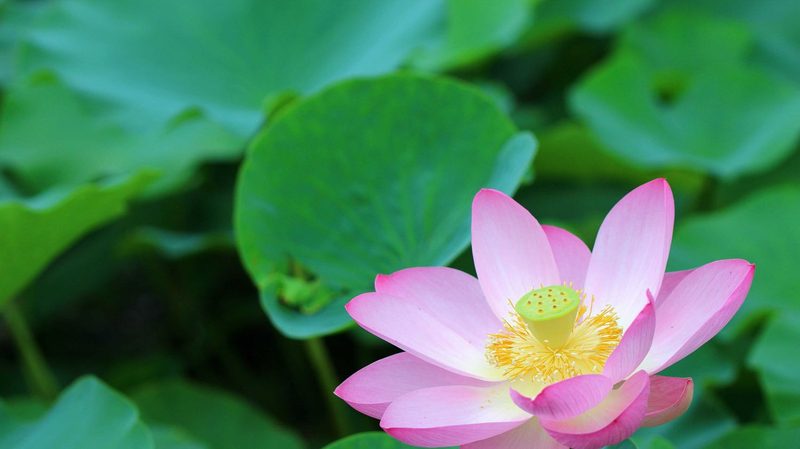
The history of flower cultivation can be traced back to ancient civilizations. The Egyptians were among the first to cultivate flowers, using them for decorative and ceremonial purposes as early as 2500 BC. They primarily grew plants like *lotus* and *papyrus*. The Greeks and Romans furthered the practice, expanding the variety of flowers used in gardens and public spaces. By the Middle Ages, flowers were integral to European gardens, leading to the establishment of botanical gardens and floristry as an art form.
Significance of Flowers in Culture
Flowers hold significant cultural meanings across the globe. For example, in Japan, the cherry blossom (*sakura*) symbolizes the transient nature of life and is celebrated during the Hanami festival. In the West, the rose is often associated with love and passion. Historical events, such as the Victorian era, saw the emergence of flower language, where different blooms conveyed specific messages, allowing people to communicate their feelings without words.
Flowers in Science and Medicine
Flowers are not only essential for aesthetic pleasure but also play crucial roles in science and medicine. Many plants produce flowers that are vital for pollination, ensuring biodiversity and food resources. Furthermore, certain flowers, like the *calendula* and *echinacea*, have medicinal properties, used in herbal remedies for centuries. Research continues to explore the therapeutic benefits of flowers, including their ability to reduce stress and enhance mood.
Challenge yourself with this quiz that covers the history, cultural significance, and scientific roles of flowers. Can you score 10/10?
 Multiple Choice
No comments yet. Be the first!