Glycolysis Quiz
Glycolysis is a crucial biochemical pathway. Test your knowledge of this energy-producing process and challenge yourself with our engaging quiz!
Glycolysis is a crucial biochemical pathway. Test your knowledge of this energy-producing process and challenge yourself with our engaging quiz!
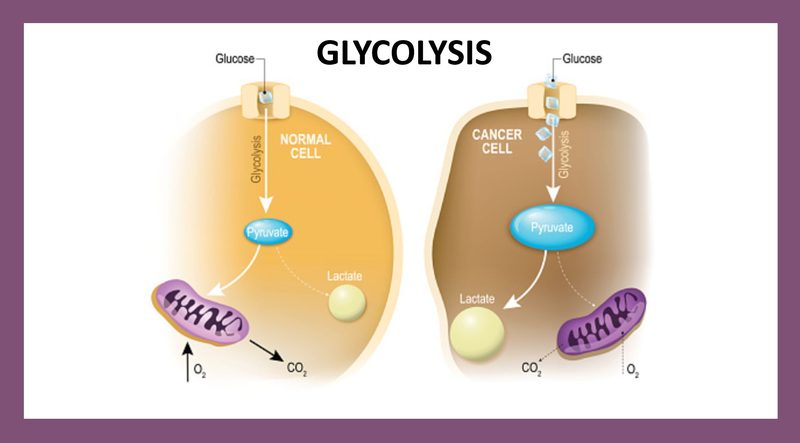
Glycolysis is a fundamental metabolic pathway that plays a vital role in cellular respiration. This process converts glucose into pyruvate, releasing energy in the form of ATP. Understanding glycolysis is essential for students and professionals in biochemistry, molecular biology, and related fields. By taking our quiz, you can test your knowledge of this crucial biochemical process and see how well you understand the steps involved in glycolysis.
The glycolytic pathway consists of ten enzymatic reactions that can be grouped into two phases: the energy investment phase and the energy payoff phase. During the energy investment phase, two ATP molecules are consumed to phosphorylate glucose, preparing it for breakdown. In contrast, the energy payoff phase generates four ATP molecules and two NADH molecules, leading to a net gain of two ATPs. Understanding these steps, including key enzymes like hexokinase and phosphofructokinase, is essential for grasping how cells metabolize glucose efficiently.
Glycolysis is crucial not only for energy production but also for providing intermediates for other metabolic pathways, such as the Krebs cycle and fermentation. It occurs in the cytoplasm of cells and does not require oxygen, allowing cells to generate energy anaerobically. This makes glycolysis fundamental for organisms that thrive in low-oxygen environments. By recognizing its importance, you can appreciate how this pathway connects various aspects of cellular metabolism.
Are you ready to test your knowledge of glycolysis? Take our quiz now and discover how well you understand this essential biochemical pathway!
 Multiple Choice
No comments yet. Be the first!