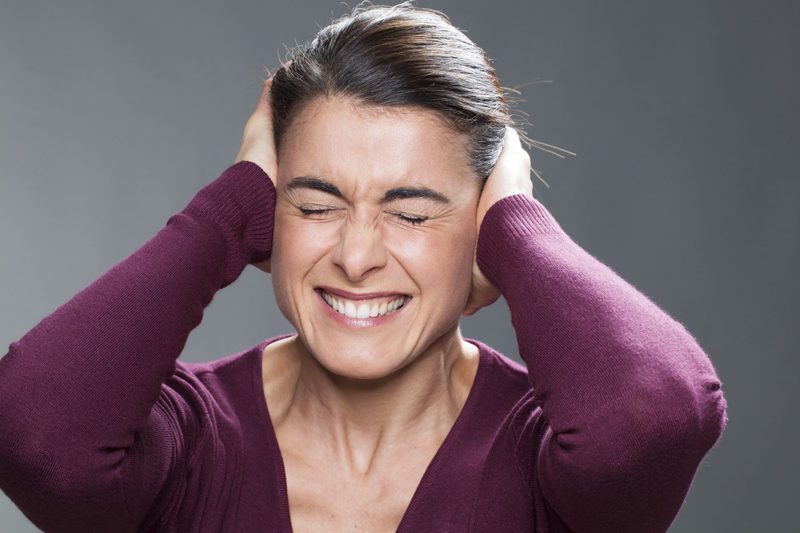
Misophonia, a term coined in 2000 by audiologist Margaret J. Loudon and her colleagues, refers to the intense emotional responses some individuals experience towards specific sounds. The condition is often triggered by oral and repetitive noises, leading to feelings of anger or anxiety. Its prevalence is estimated to affect around 20% of the population, with notable cases including celebrities like Pharrell Williams and Hannah Gadsby.
History of Misophonia
The study of misophonia began gaining traction in the early 2000s. Dr. Jennifer Jo Brout, a psychologist, played a pivotal role in bringing attention to this condition, co-founding the Misophonia International organization in 2013. Research has since expanded, revealing that misophonia is not merely a dislike of sounds but a complex neurological disorder that can significantly impact daily life.
Symptoms and Triggers
Common triggers of misophonia include sounds like chewing, breathing, or pen clicking. Individuals experience heightened emotional responses such as irritation, rage, or panic when confronted with these noises. The severity of symptoms can vary widely, with some individuals finding certain sounds unbearable while others may only experience mild discomfort.
Treatment and Management
While there is no definitive cure for misophonia, various management strategies have been explored. Treatment options include cognitive-behavioral therapy, sound therapy, and mindfulness techniques. Support groups and online forums have also emerged, providing community and understanding for those affected by this condition.
Are you ready to dive deeper into the world of misophonia? This quiz will challenge your knowledge about its history, symptoms, and treatments, helping you uncover the intricacies of this auditory condition.
 Multiple Choice
No comments yet. Be the first!