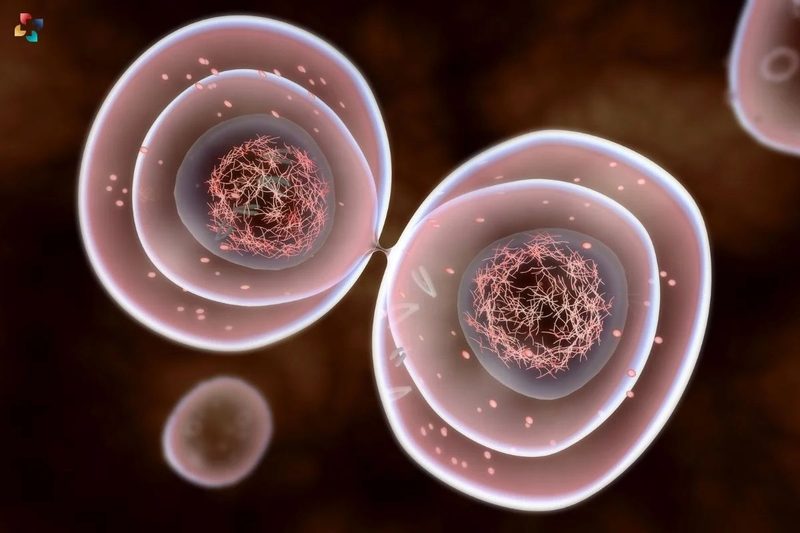
Mitosis and meiosis are essential biological processes that govern cell division and reproduction. Understanding the distinctions between these two forms of cell division is crucial for grasping fundamental concepts in biology. Mitosis is responsible for producing two identical daughter cells from a single parent cell, while meiosis is the specialized division that results in gametes, or sex cells, with half the number of chromosomes. This quiz challenges you to
test your knowledge of these processes and deepen your comprehension of cellular biology.
What are the key differences between mitosis and meiosis?
In mitosis, the cell undergoes a single division, resulting in two diploid cells, whereas meiosis includes two rounds of division, producing four haploid gametes. Key phases in mitosis include prophase, metaphase, anaphase, and telophase, each playing a distinct role in the cell cycle. Meiosis, on the other hand, consists of two stages: meiosis I and meiosis II, with unique processes like crossing over and independent assortment that contribute to genetic diversity. These processes are foundational in understanding how traits are inherited and the role of genetics in
evolution.
How do mitosis and meiosis contribute to genetic diversity?
Both mitosis and meiosis are critical for growth, development, and reproduction. Mitosis allows organisms to grow and repair tissues, while meiosis introduces genetic variation through recombination and random assortment of chromosomes. This variation is essential for the process of
natural selection and adaptation in changing environments. By exploring these concepts, you will gain insights into the intricate mechanisms of life at the cellular level. Ready to see how much you know? Test your knowledge of mitosis and meiosis by taking the quiz!
 Multiple Choice
No comments yet. Be the first!