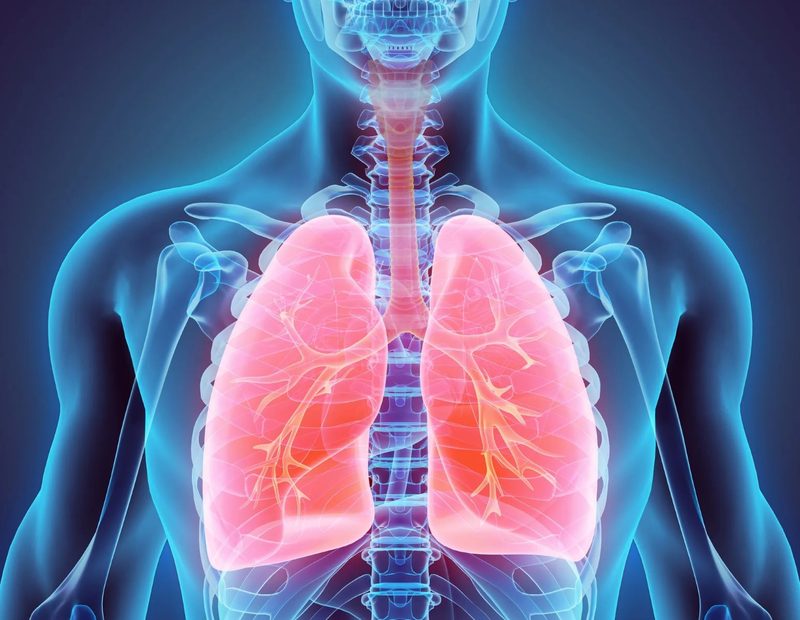
The respiratory system is a vital organ system responsible for the exchange of gases in the body. It consists of the nasal cavity, pharynx, larynx, trachea, bronchi, and lungs. The system ensures that oxygen is delivered to the bloodstream while removing carbon dioxide, a waste product of metabolism. Notable advancements in the study of respiration began in the early 19th century, with figures like John S. Smith contributing to our understanding of lung function and gas exchange.
History of Respiratory Research
Throughout history, the understanding of the respiratory system has undergone significant changes. In 1777, Joseph Priestley discovered oxygen, which he termed "dephlogisticated air." This was a pivotal moment in respiratory science, leading to further investigations into how lungs utilize oxygen in the process of cellular respiration. By the 19th century, scientists like William Henry were exploring gas solubility in liquids, paving the way for modern pulmonary studies.
Components of the Respiratory System
The human respiratory system comprises several essential components. The lungs are the main organs, where the exchange of gases occurs in tiny air sacs called alveoli. The trachea divides into bronchi, which branch into smaller bronchioles leading directly to the alveoli. This intricate network is vital for efficient gas exchange, which is crucial for sustaining life. The diaphragm, a muscle located below the lungs, plays a critical role in the breathing process, contracting and relaxing to facilitate inhalation and exhalation.
Respiratory System Disorders
Various disorders can affect the respiratory system, leading to serious health issues. Conditions such as asthma, chronic obstructive pulmonary disease (COPD), and pneumonia are among the most common. Asthma is characterized by inflammation and narrowing of airways, making breathing difficult. COPD, often caused by smoking, includes emphysema and chronic bronchitis, leading to reduced airflow over time. Understanding these conditions is essential for promoting respiratory health.
Ready to challenge yourself? This quiz covers everything from the anatomy of the respiratory system to its historical significance and common disorders. Can you score 10/10?
 Multiple Choice
No comments yet. Be the first!