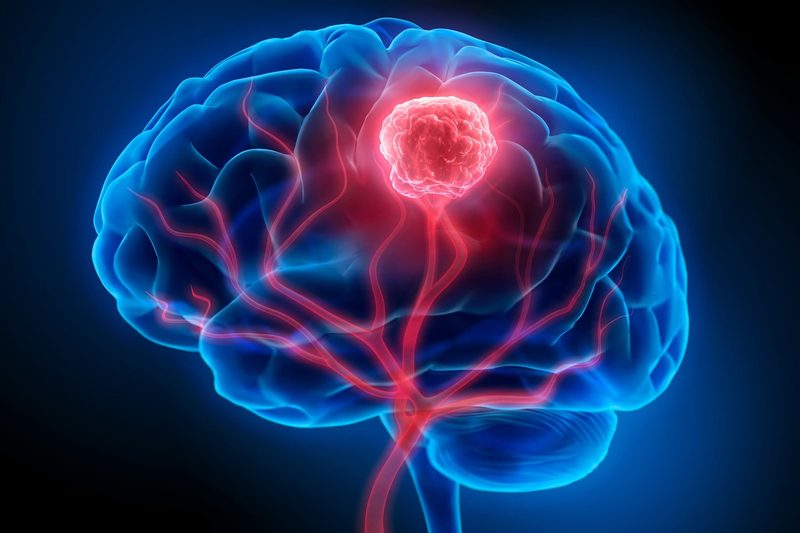
Brain tumors are abnormal growths of cells in the brain or the surrounding tissues. They can be classified as either benign (non-cancerous) or malignant (cancerous), with various types impacting both adults and children. Notable figures such as Dr. Harvey Cushing, known as the father of modern neurosurgery, made significant advancements in the diagnosis and treatment of brain tumors in the early 1900s. In recent years, research has led to new therapies and improved survival rates, emphasizing the importance of ongoing education in this field.
History of Brain Tumor Treatment
The history of brain tumor treatment has evolved significantly over the past century. In the 1900s, surgical techniques were rudimentary, and the survival rate for patients with brain tumors was extremely low. Dr. Harvey Cushing, active from 1900 to 1930, developed methods for tumor removal that minimized damage to surrounding brain tissue. His pioneering work laid the foundation for modern neurosurgery, introducing techniques such as microsurgery and advanced imaging technologies, which have dramatically improved patient outcomes in the decades since.
Types of Brain Tumors
Brain tumors can be classified into several categories based on their origin and characteristics. The two main divisions are primary brain tumors, which originate in the brain, and secondary brain tumors, which spread from other parts of the body. Common types of primary brain tumors include gliomas, which arise from glial cells, and meningiomas, which develop from the protective layers covering the brain. Understanding the specific type of tumor is crucial for determining the best treatment approach.
Current Research and Advances
Current research in brain tumors focuses on improving diagnostic techniques and treatment options. Advances in genomics have led to a better understanding of the molecular characteristics of tumors, allowing for more personalized treatment strategies. Clinical trials are ongoing for new therapies, including targeted therapies and immunotherapy, which aim to enhance the body’s ability to fight cancer cells. Continuous research efforts are vital to improve survival rates and quality of life for patients diagnosed with brain tumors.
Are you ready to test your knowledge on brain tumors? This quiz covers various aspects, from historical figures to modern treatments, ensuring a comprehensive understanding of this complex subject.
 Multiple Choice
No comments yet. Be the first!